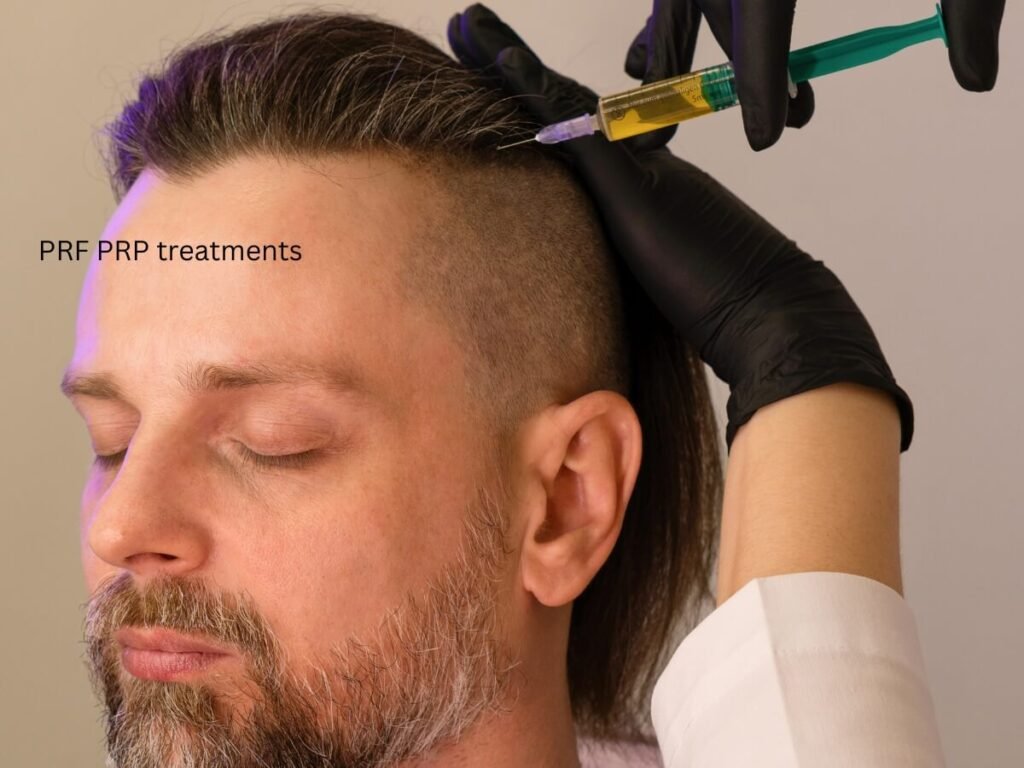
How Many PRP Sessions for Hair Loss? Most patients need 3 sessions. Explore PRP hair restoration in Miramar, FL, near Pembroke Pines and Dania.
Hair thinning can be frustrating, especially when changes in hair density become more noticeable over time. If you are considering platelet-rich plasma (PRP) hair restoration, one of the first questions you may have is how many PRP sessions for hair loss are typically needed to see meaningful improvement.
For many patients, an initial series of approximately three PRP treatments, usually spaced several weeks apart, is commonly recommended. However, the right number of sessions depends on factors such as the cause and severity of hair loss, overall scalp health, age, treatment goals, and how an individual responds to PRP.
At Collective Aesthetics in Miramar, FL, PRP hair restoration is offered as a personalized, non-surgical approach to supporting healthier-looking hair. The treatment can also be convenient for clients traveling from Pembroke Pines, Dania, Hialeah, Miami Lakes, Miami Gardens, Cooper City, and Hallandale.
How Many PRP Sessions for Hair Loss Are Usually Needed?
There is no single treatment schedule that works for everyone. In many cases, a provider may recommend an initial series of three PRP sessions before evaluating the patient’s response.
Treatments are generally spaced several weeks apart to give the scalp time to respond between appointments. After the initial series, some patients may benefit from periodic maintenance treatments depending on their individual results and ongoing hair-loss pattern.
The number of sessions may be influenced by:
- The type and cause of hair thinning
- The extent of hair loss
- Hair density and follicle health
- Age and general health
- Individual response to PRP
- Treatment goals and expectations
- Whether maintenance therapy is appropriate
PRP is not designed to produce overnight results. Hair follicles operate on a natural growth cycle, so changes typically develop gradually.
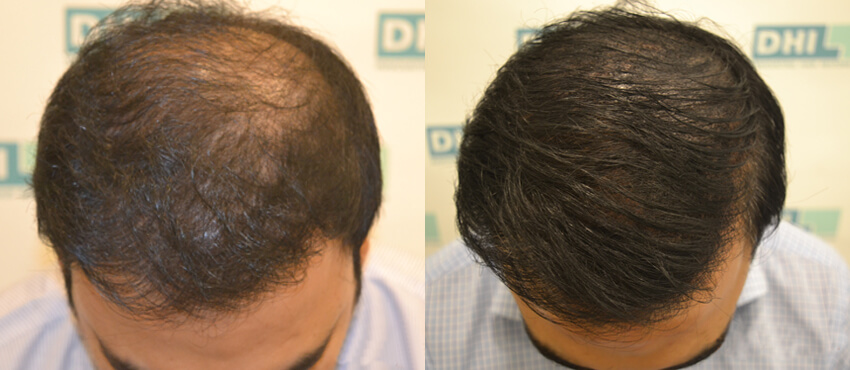
Why Does PRP Hair Restoration Require Multiple Sessions?
PRP uses a concentrated portion of the patient’s own blood containing platelets and growth factors. During treatment, a small blood sample is collected and processed to prepare the PRP, which is then applied or injected into targeted areas of the scalp.
A series of treatments allows the scalp to receive repeated stimulation over time rather than relying on a single appointment.
Multiple sessions may be recommended because:
- Hair growth occurs gradually.
- Follicles may respond differently from one another.
- Early treatment can establish a foundation for continued improvement.
- A series allows the provider to monitor progress.
- Treatment can be adjusted based on the patient’s response.
The goal is not simply to perform a predetermined number of injections. A personalized treatment plan considers the patient’s current hair condition and how the scalp responds over time.
What Happens During a PRP Hair Restoration Treatment?
Understanding the treatment process can make it easier to know what to expect.
1. Consultation and scalp assessment
Your provider first evaluates your hair loss, scalp condition, medical history, and treatment goals. This step is important because PRP may not be appropriate for every type or cause of hair loss.
2. Blood collection
A small amount of blood is collected from the patient. Because PRP is autologous, the material used during treatment comes from the patient’s own blood.
3. PRP preparation
The blood is processed to separate and concentrate the platelet-rich component. The resulting PRP contains growth factors that are used as part of the hair restoration treatment.
4. Scalp treatment
The prepared PRP is administered to selected areas of the scalp where additional support is desired. The treatment focuses on areas affected by thinning or reduced hair density.
5. Post-treatment care
Your provider gives you instructions for caring for your scalp following treatment. Following those instructions can help support the treatment process and minimize avoidable irritation.
When Should You Expect to See PRP Hair Loss Results?
One of the most important things to understand about PRP hair restoration is that results take time.
Hair grows in cycles, and follicles need time to respond. Some patients may notice changes in hair shedding, texture, or thickness before seeing a more obvious improvement in overall density.
Rather than expecting dramatic changes immediately after treatment, patients should think in terms of gradual progress over several months.
Your provider may assess your progress based on factors such as:
- Changes in hair density
- The appearance of thinning areas
- Hair thickness and quality
- Changes in shedding
- Overall scalp condition
- Your response following each treatment
Progress can vary significantly between individuals, so comparing your results directly with someone else’s PRP experience may not provide an accurate expectation.
What Factors Affect the Number of PRP Sessions Needed?
When considering how many PRP sessions for hair loss may be appropriate, the condition of the hair and scalp is only part of the picture.
Severity of hair thinning
Patients with early-stage thinning may have different treatment needs from those with more advanced hair loss. Earlier evaluation can make it easier to determine whether PRP is a suitable option.
Cause of hair loss
Hair loss can have many possible causes, including hereditary factors, hormonal changes, nutritional issues, stress, certain medications, and underlying health conditions.
Identifying the likely cause is important because PRP is not a universal solution for every type of hair loss.
Individual response
People respond differently to cosmetic and regenerative treatments. Some patients may experience noticeable improvement while others may require additional treatment or a different approach.
Treatment goals
Someone looking to improve the appearance of mild thinning may have different goals from someone experiencing more extensive hair loss. Your treatment plan should reflect those individual objectives.
Ongoing hair-loss pattern
Hair restoration is not simply about improving the current appearance of the scalp. It is also important to consider whether hair thinning is continuing over time.
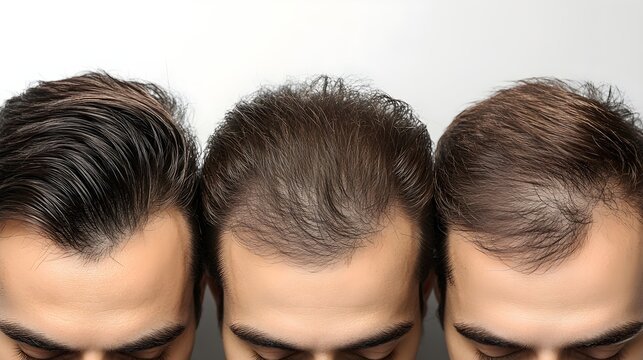
Who May Be a Candidate for PRP Hair Restoration?
PRP may be considered by adults experiencing certain forms of hair thinning or hair loss, particularly when viable hair follicles remain in the affected areas.
A consultation can help determine whether treatment is appropriate.
Potential candidates may include people who:
- Are experiencing noticeable hair thinning
- Want a non-surgical hair restoration option
- Have areas of reduced hair density
- Prefer a treatment using their own blood-derived PRP
- Have realistic expectations about gradual results
- Are interested in an individualized treatment plan
However, suitability cannot be determined from hair loss symptoms alone. A professional evaluation is important before beginning treatment.
Is PRP Hair Restoration Suitable for Everyone?
No. PRP may not be appropriate for every patient or every type of hair loss.
A professional assessment should consider the underlying cause of the problem and the condition of the scalp and follicles. If hair loss is associated with an underlying medical issue, addressing that issue may be an important part of the overall approach.
This is why a consultation should come before deciding exactly how many PRP sessions for hair loss you need.
PRP Hair Restoration vs. Surgical Hair Transplant
PRP and hair transplantation are different approaches to hair restoration.
PRP hair restoration is a non-surgical treatment that uses platelet-rich plasma derived from the patient’s own blood. It is intended to support the scalp and existing follicles.
A hair transplant, by comparison, is a surgical procedure that moves hair follicles from one area of the scalp to another.
The appropriate option depends on factors such as:
- The extent of hair loss
- Existing donor hair
- Follicle condition
- Treatment goals
- Medical suitability
- Desired outcome
For some people, a non-surgical approach may be appealing because it does not involve transplant surgery. A consultation is the best way to determine whether PRP fits your individual situation.
How to Prepare for Your PRP Hair Restoration Appointment
Preparation can vary depending on your provider’s recommendations. Before treatment, discuss medications, supplements, health conditions, allergies, and previous hair-loss treatments with your provider.
You may also want to:
- Arrive with a clean scalp as instructed
- Tell your provider about medications and supplements
- Discuss any previous scalp treatments
- Share your hair-loss history
- Explain your treatment goals
- Ask about post-treatment care
Providing complete information helps your provider develop a more appropriate treatment plan.
Why Choose Collective Aesthetics for PRP Hair Restoration in Miramar?
At Collective Aesthetics, PRP hair restoration is offered with an individualized approach rather than a one-size-fits-all treatment schedule.
Located in Miramar, Florida, the clinic serves clients from nearby communities including Pembroke Pines, Dania, Hialeah, Miami Lakes, Miami Gardens, Cooper City, and Hallandale.
The focus is on understanding each patient’s concerns, discussing realistic expectations, and creating a treatment plan based on individual needs.
If you are researching how many PRP sessions for hair loss you may need, a consultation can provide a more useful answer than relying on a standard number alone. Your provider can evaluate your hair and scalp, discuss your goals, and determine whether PRP hair restoration is an appropriate option for you.

What to Consider Before Starting PRP Hair Restoration
PRP can be an appealing option for people looking for non-surgical hair restoration, but realistic expectations are essential.
Keep these points in mind:
- Results are gradual rather than immediate.
- The number of treatments varies between patients.
- PRP does not guarantee the same outcome for everyone.
- The cause of hair loss should be considered.
- Maintenance treatments may be discussed after the initial series.
- A professional consultation is important before beginning treatment.
For patients in Miramar and surrounding South Florida communities, Collective Aesthetics can help you understand your available options and determine whether PRP hair restoration aligns with your hair-loss concerns and goals.
Related topic for Hair Restoration Services
- The Ultimate Guide to Hair Restoration: Everything You Need to Know
- Top 5 Hair Restoration Treatments for Thinning Hair
- How to Choose the Right Hair Restoration Service for You
- Hair Transplant vs. Non-Surgical Hair Restoration: Which is Better?
- The Science Behind Hair Restoration: How Does It Actually Work?
- Hair Restoration Myths Debunked: What You Need to Know
- What to Expect Before, During, and After a Hair Restoration Procedure
- Laser Therapy for Hair Restoration: Is It Really Effective?
- How Long Does Hair Restoration Take to Show Results?
- The Cost of Hair Restoration: What Are Your Options?
- Natural vs. Surgical Hair Restoration: Which Option is Right for You?
- How Hair Restoration Can Boost Your Confidence and Self-Esteem
- The Best Hair Restoration Services for Men: A Complete Guide
- Women’s Guide to Hair Restoration: Solutions for Thinning and Balding
- How Hair Restoration Services Are Transforming the Way We Treat Hair LossAmerican Academy of Dermatology – Hair Loss
- Cleveland Clinic – Platelet-Rich Plasma (PRP)
- Mayo Clinic – Hair Loss
- National Library of Medicine – Platelet-Rich Plasma for Hair Loss
- American Society of Plastic Surgeons – Hair Loss Treatment