
Does PRP Hair Restoration Work? Learn how PRP may support hair growth at Collective Aesthetics in Miramar, FL and nearby areas.
Hair thinning and hair loss can affect much more than your appearance. For many people, seeing more hair in the shower, a widening part, or increased scalp visibility can gradually affect confidence and self-image. Fortunately, there are nonsurgical options designed to support healthier-looking hair without the downtime associated with surgical procedures.
One treatment that has gained attention for addressing certain types of hair loss is platelet-rich plasma (PRP) therapy. But does PRP hair restoration work, and is it appropriate for everyone?
PRP hair restoration uses a concentrated portion of your own blood to deliver platelets and growth factors to targeted areas of the scalp. At Collective Aesthetics in Miramar, FL, PRP hair restoration is offered as part of a personalized approach to hair rejuvenation.
Does PRP Hair Restoration Work for Hair Loss?
Yes, PRP hair restoration can help some people with certain types of hair thinning and hair loss. Research suggests that PRP injections may improve hair density, thickness, and growth in individuals with conditions such as androgenetic alopecia, commonly known as pattern hair loss.
However, results vary from person to person. PRP is not a guaranteed cure for every type of hair loss, and treatment outcomes can depend on factors such as the cause of hair loss, the condition of the hair follicles, age, overall health, and consistency with the recommended treatment plan.
PRP works best when viable hair follicles are still present. It is generally considered a treatment for thinning or weakened hair rather than completely restoring areas where follicles have been permanently lost.
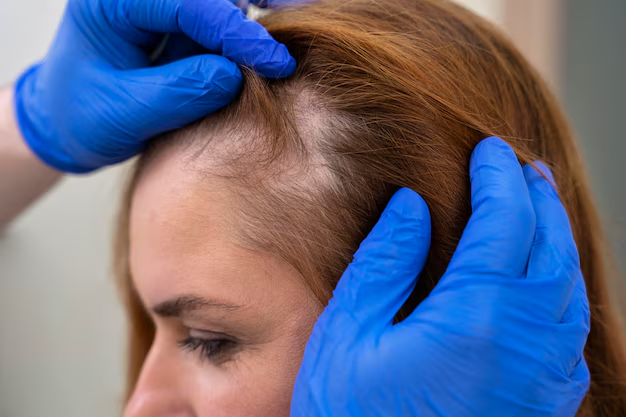
How Does PRP Hair Restoration Work?
PRP stands for platelet-rich plasma. Platelets are components of your blood that play an important role in tissue repair and healing. They also contain a variety of growth factors and signaling proteins.
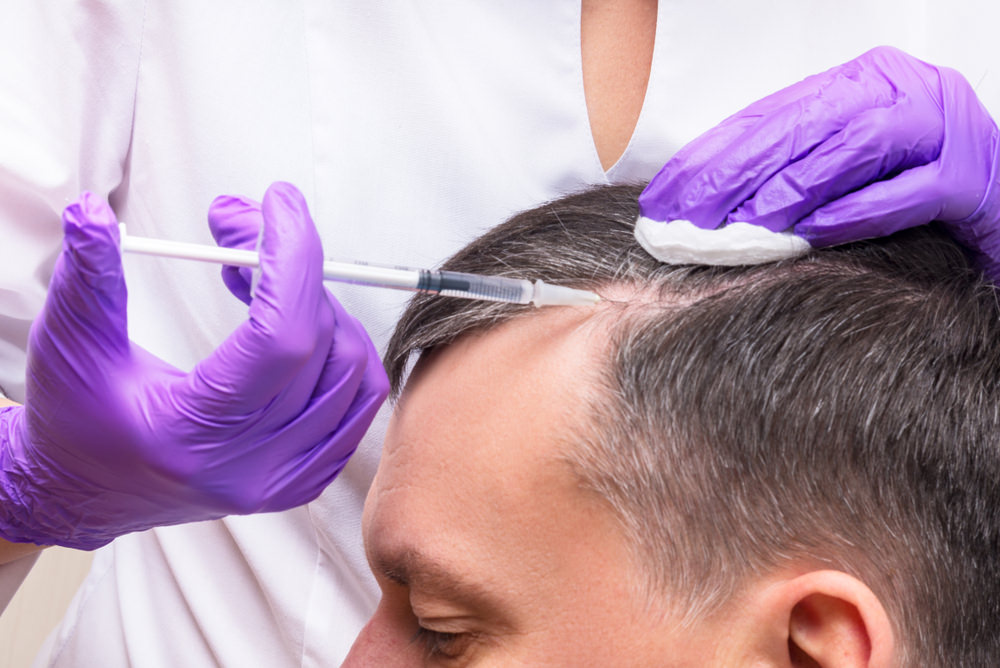
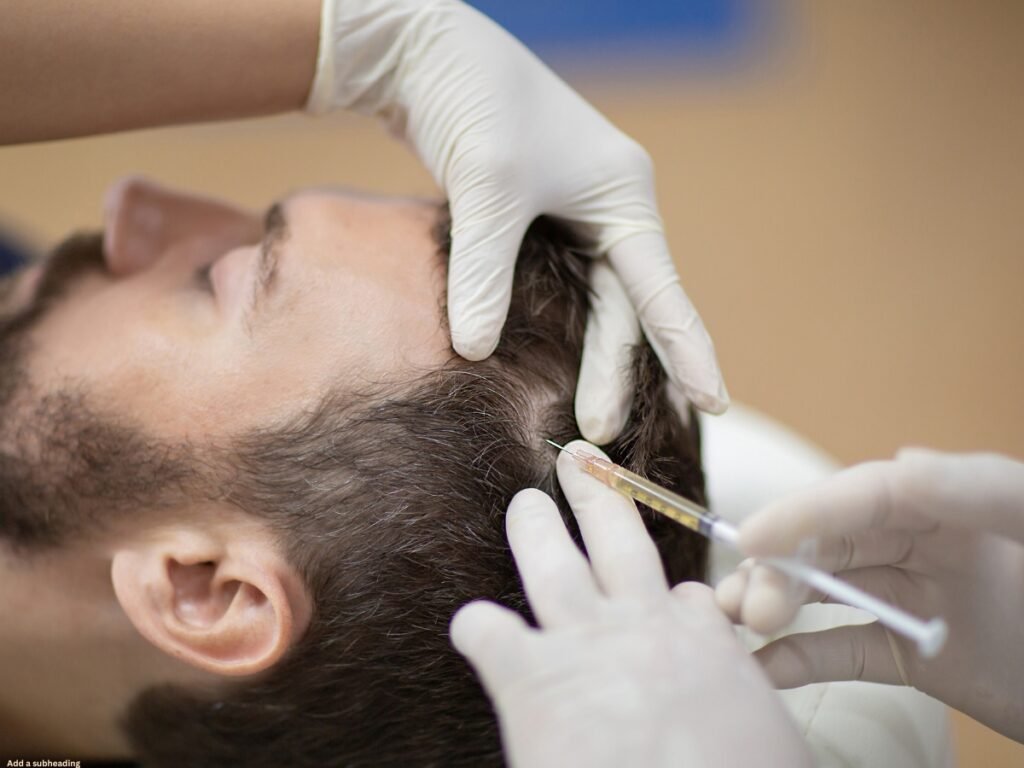
During PRP hair restoration, a small sample of your blood is collected and processed to separate the platelet-rich plasma from other blood components. The concentrated plasma is then carefully injected into areas of the scalp experiencing thinning.
The goal is to create an environment that supports the normal hair-growth cycle.
PRP may help by:
- Supporting the health of existing hair follicles
- Encouraging follicles that have become less active
- Supporting blood supply around treated follicles
- Potentially extending the growth phase of the hair cycle
- Improving the appearance of hair thickness over time
Because PRP is prepared from your own blood, it is considered an autologous treatment.
What Can PRP Hair Restoration Treat?
PRP may be appropriate for people experiencing several forms of thinning, particularly when functioning follicles remain in the affected areas.
Pattern Hair Loss
Androgenetic alopecia is one of the most common causes of hair loss in both men and women. It can result in gradual thinning around the crown, temples, hairline, or part line.
PRP may be used to support existing follicles and potentially improve the appearance of density.
Thinning Hair
Some people do not experience obvious bald spots but notice that their hair has become finer or less dense. PRP may be considered when the goal is to improve the appearance and health of thinning hair.
Early-Stage Hair Loss
Treatment may be particularly useful when hair loss is identified early. Supporting follicles before significant follicular miniaturization or permanent loss occurs may provide a better opportunity for improvement.
If you are experiencing sudden or unexplained hair loss, however, identifying the underlying cause should come first. Hair loss can sometimes be associated with nutritional deficiencies, hormonal changes, medications, stress, or medical conditions.
What Happens During a PRP Hair Restoration Treatment?
At Collective Aesthetics, treatment begins with an assessment rather than a one-size-fits-all approach. Your provider can evaluate your hair-loss concerns and determine whether PRP may be suitable for you.
A typical treatment involves several steps:
- Consultation and assessment – Your hair-loss pattern and treatment goals are discussed.
- Blood collection – A small amount of blood is drawn from your arm.
- PRP preparation – The sample is processed to separate and concentrate the platelet-rich plasma.
- Scalp preparation – The treatment area is cleaned and prepared.
- PRP injections – The concentrated plasma is strategically injected into areas of thinning.
- Aftercare guidance – You receive instructions designed to support recovery and treatment results.
The procedure is minimally invasive and does not require surgical incisions or a lengthy recovery period.
What Are the Benefits of PRP Hair Restoration?
One reason PRP has become popular among people seeking nonsurgical hair restoration is that it works with the body’s own biological components.
Potential benefits include:
- Nonsurgical approach to hair restoration
- Uses your own platelet-rich plasma
- Minimal downtime compared with hair transplant surgery
- Designed to support existing hair follicles
- Can be used for both men and women
- May improve the appearance of hair density and thickness
- Can be incorporated into an individualized hair-care plan
- No surgical grafting or incisions are required
The goal is not simply to make hair appear fuller temporarily. Instead, PRP is intended to support the underlying follicles and encourage healthier hair growth over time.
When Will You See PRP Hair Restoration Results?
One of the most important things to understand about PRP is that hair growth takes time.
You should not expect dramatic changes immediately after treatment. Hair follicles follow a natural growth cycle, and improvements generally develop gradually.
Some patients may notice changes in hair shedding, texture, or thickness before seeing more visible improvements in density. A series of treatments may be recommended rather than a single session, depending on your individual needs.
Your provider can explain an appropriate treatment schedule and when you may reasonably expect to evaluate your progress.
Taking photographs before treatment and during follow-up visits can also make subtle changes easier to identify.
Who May Be a Good Candidate for PRP Hair Restoration?
PRP may be worth considering if you are experiencing early or moderate hair thinning and still have active follicles in the treatment area.
Potential candidates may include people who:
- Have gradual hair thinning
- Experience pattern hair loss
- Want a nonsurgical hair restoration option
- Have realistic expectations about results
- Have sufficient donor blood for PRP preparation
- Are looking to support existing hair follicles
- Are willing to follow a recommended treatment schedule
However, PRP is not appropriate for every cause or stage of hair loss. A professional evaluation is important before starting treatment.
When PRP May Not Be the Right Option
Although does PRP hair restoration work is a common search question, another important question is whether PRP is the right treatment for your specific type of hair loss.
PRP may have limited benefits when hair follicles have been permanently destroyed or when extensive baldness has developed. It may also not address the underlying cause of hair loss when the cause is unrelated to follicular weakening.
Certain medical conditions, medications, blood disorders, or other factors may also affect whether PRP is appropriate.
This is why a personalized consultation is an important part of the process.
PRP Hair Restoration vs. Hair Transplant
PRP and hair transplantation are different approaches to hair restoration.
A hair transplant is a surgical procedure that moves hair follicles from one area of the scalp to another. PRP, on the other hand, is a nonsurgical injectable treatment designed to support existing follicles.
PRP may be appealing to people who:
- Are experiencing thinning rather than extensive baldness
- Prefer a nonsurgical option
- Want minimal downtime
- Want to support their existing hair
- Are not ready for a surgical procedure
For some patients, PRP may also be considered as part of a broader hair-restoration strategy.
How to Improve Your Chances of Seeing Results
If you are wondering does PRP hair restoration work in your situation, your overall approach to hair health matters.
Treatment results may be influenced by factors such as nutrition, underlying health conditions, stress, scalp health, medications, and the cause of hair loss.
Helpful habits can include:
- Maintaining a balanced diet with adequate protein and essential nutrients
- Managing ongoing stress where possible
- Following your provider’s aftercare instructions
- Avoiding unnecessary chemical or mechanical damage to the hair
- Addressing underlying health concerns with an appropriate healthcare professional
- Attending recommended follow-up appointments
PRP should be viewed as one component of a personalized hair-restoration plan rather than a standalone solution for every type of hair loss.
Is PRP Hair Restoration Worth Considering?
For people with appropriate types of hair thinning, does PRP hair restoration work enough to make it worth considering? The answer can be yes, particularly for those looking for a nonsurgical treatment that may support existing follicles.
The evidence surrounding PRP for androgenetic alopecia is encouraging, although study results vary and more research is still needed to establish the ideal preparation methods, injection protocols, and long-term treatment schedules.
That means realistic expectations are essential. PRP is not an instant fix, and individual results can differ.
A professional evaluation can help determine whether your hair-loss pattern makes you a suitable candidate and whether another approach may be more appropriate.
Why Choose Collective Aesthetics in Miramar, FL?
Collective Aesthetics provides personalized aesthetic and wellness treatments with a patient-focused approach. PRP hair restoration is available for individuals looking for a nonsurgical option to address hair thinning and support healthier-looking hair.
The practice serves clients in Miramar, Pembroke Pines, Dania, Hialeah, Miami Lakes, Miami Gardens, Cooper City, and Hallandale.
If you are searching for does PRP hair restoration work because you have noticed thinning hair, the best next step is to have your individual concerns assessed rather than relying solely on generalized results. A consultation at Collective Aesthetics can help you understand whether PRP is appropriate for your hair-loss pattern and what type of treatment plan may best support your goals.
Related topic for Hair Restoration Services
- The Ultimate Guide to Hair Restoration: Everything You Need to Know
- Top 5 Hair Restoration Treatments for Thinning Hair
- How to Choose the Right Hair Restoration Service for You
- Hair Transplant vs. Non-Surgical Hair Restoration: Which is Better?
- The Science Behind Hair Restoration: How Does It Actually Work?
- Hair Restoration Myths Debunked: What You Need to Know
- What to Expect Before, During, and After a Hair Restoration Procedure
- Laser Therapy for Hair Restoration: Is It Really Effective?
- How Long Does Hair Restoration Take to Show Results?
- The Cost of Hair Restoration: What Are Your Options?
- Natural vs. Surgical Hair Restoration: Which Option is Right for You?
- How Hair Restoration Can Boost Your Confidence and Self-Esteem
- The Best Hair Restoration Services for Men: A Complete Guide
- Women’s Guide to Hair Restoration: Solutions for Thinning and Balding
- How Hair Restoration Services Are Transforming the Way We Treat Hair LossAmerican Academy of Dermatology – Hair Loss
- Cleveland Clinic – Platelet-Rich Plasma (PRP)
- Mayo Clinic – Hair Loss
- National Library of Medicine – Platelet-Rich Plasma for Hair Loss
- American Society of Plastic Surgeons – Hair Loss Treatment