
Explore weight loss shots in Miramar at Collective Aesthetics, serving Pembroke Pines, Dania, Hialeah, Miami Lakes, Miami Gardens, Cooper City & Hallandale.
Losing weight can be challenging, even when you follow a balanced diet and maintain a regular exercise routine. Factors such as appetite regulation, metabolism, hormonal changes, sleep, and underlying health conditions can all influence your progress. For individuals who need additional support, prescription weight loss injections may be an option when combined with appropriate lifestyle changes and medical supervision.
At Collective Aesthetics in Miramar, Florida, we offer medically supervised weight management options designed around individual needs and health goals. Our approach focuses on helping eligible patients understand their treatment options, establish realistic expectations, and develop sustainable habits that support long-term health.
If you are considering weight loss shots in Miramar, understanding how these medications work, who may qualify, and what to expect during treatment can help you make an informed decision.
What Are Weight Loss Shots?
Weight loss shots are prescription medications administered by injection to help eligible individuals manage their weight. Many of the most widely used options work by influencing hormones involved in appetite, digestion, and blood sugar regulation.
Some medications mimic glucagon-like peptide-1 (GLP-1), a naturally occurring hormone that helps regulate hunger and fullness. Others target more than one metabolic pathway to support appetite control and blood sugar management.
Depending on the medication prescribed, weight loss injections may help patients:
- Feel full for longer after meals.
- Experience fewer hunger cravings.
- Reduce overall calorie intake.
- Develop more consistent eating habits.
- Achieve clinically meaningful weight loss when combined with lifestyle changes.
These medications are not intended to replace healthy eating, physical activity, or medical care. They are tools that may help eligible patients manage weight as part of a comprehensive treatment plan.

How Do Weight Loss Injections Work?
Weight loss injections work by targeting specific biological processes involved in appetite and metabolism. Their exact mechanisms depend on the medication.
Appetite Regulation and Hunger Control
GLP-1 medications act on receptors involved in appetite regulation. They can influence hunger signals in the brain, helping some patients feel satisfied with smaller portions and experience fewer cravings.
This effect may make it easier to maintain a calorie deficit without constantly feeling hungry. However, individual responses vary, and these medications do not eliminate the need for balanced nutrition.
Slower Stomach Emptying
Certain GLP-1 medications slow gastric emptying, particularly during the early stages of treatment. Food may remain in the stomach longer, which can contribute to prolonged fullness after meals.
This mechanism can support appetite management, although it may also cause gastrointestinal side effects such as nausea, constipation, or bloating.
Blood Sugar Regulation
GLP-1 medications also influence blood glucose regulation. They stimulate insulin release in response to elevated blood sugar and help regulate glucagon, a hormone involved in raising blood glucose.
Some medications, including tirzepatide, act on both GIP and GLP-1 receptors. These combined actions can affect appetite, blood sugar regulation, and weight management.
Types of Weight Loss Shots Available
Several prescription medications are used for chronic weight management. The appropriate option depends on an individual’s medical history, eligibility, treatment goals, and potential risks.
Semaglutide Injections
Semaglutide is a GLP-1 receptor agonist available in different prescription formulations. Wegovy is approved for chronic weight management in eligible patients, while Ozempic is primarily approved for certain patients with type 2 diabetes.
Semaglutide can help reduce appetite, increase feelings of fullness, and support weight reduction when used alongside a reduced-calorie diet and increased physical activity.
Treatment typically begins at a low dose, which is gradually increased according to the prescribing instructions to improve tolerability.
Tirzepatide Injections
Tirzepatide activates both GIP and GLP-1 receptors. It is available under different brand names, including Zepbound for chronic weight management and Mounjaro for type 2 diabetes.
For eligible adults, Zepbound may support weight reduction by helping regulate appetite and food intake. Like other prescription weight loss medications, it is intended to complement lifestyle modifications rather than replace them.
The medication is generally administered once weekly, with dose adjustments made according to the prescribed treatment schedule.
Choosing the Appropriate Medication
Not every medication is appropriate for every patient. A qualified healthcare professional should consider:
- Current weight and body mass index (BMI).
- Existing medical conditions.
- Current medications and possible interactions.
- Previous weight management experiences.
- Personal treatment goals and preferences.
- Potential side effects and contraindications.
At Collective Aesthetics, a consultation provides an opportunity to discuss available medical weight loss options and determine whether a particular treatment may be appropriate.
Who May Qualify for Weight Loss Injections?
Prescription weight management medications are generally intended for adults who meet specific medical criteria. Eligibility depends on BMI, weight-related health conditions, medical history, and the medication being considered.
Adults may qualify for certain prescription weight loss medications if they have:
- A BMI of 30 or higher.
- A BMI of 27 or higher with a weight-related condition, such as high blood pressure or type 2 diabetes.
- A medical need for additional weight management support after lifestyle changes alone have not achieved sufficient results.
These are general eligibility guidelines, not a guarantee of treatment approval. A healthcare professional must assess individual circumstances before prescribing medication.
Who May Not Be a Suitable Candidate?
Weight loss injections are not appropriate for everyone. A clinician may recommend another approach for individuals who:
- Are pregnant, planning to become pregnant, or breastfeeding.
- Have a personal or family history of medullary thyroid carcinoma or multiple endocrine neoplasia syndrome type 2, which are contraindications for certain medications.
- Have a history of serious allergic reactions to the proposed medication.
- Have medical conditions or take medications that could increase treatment risks.
Patients with a history of pancreatitis, gallbladder disease, or significant gastrointestinal problems may also need additional evaluation. A detailed medical assessment helps determine whether the potential benefits justify the risks.
Benefits of Medically Supervised Weight Loss Shots
When prescribed to eligible patients, weight loss injections can offer several potential benefits. The results vary depending on the medication, lifestyle habits, and individual response.
Some potential benefits include:
- Appetite management: Certain medications help reduce hunger and make it easier to manage portion sizes.
- Meaningful weight reduction: Some patients achieve substantial weight loss when medication is combined with nutrition and physical activity.
- Improved metabolic health: Weight reduction may improve certain weight-related conditions, including high blood pressure and blood sugar abnormalities.
- Structured medical support: Regular consultations can help patients monitor their progress and address treatment concerns.
- Individualised treatment: Medication selection and dosing can be adjusted according to clinical needs and tolerability.
Prescription weight management medications may help patients lose more weight than lifestyle changes alone, but results differ considerably. Long-term treatment and ongoing lifestyle support may be necessary to maintain progress.
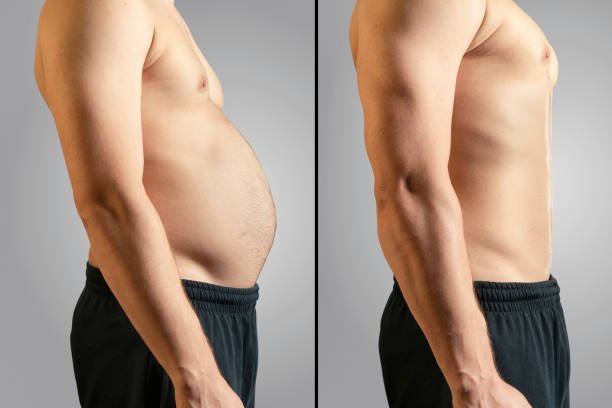
What to Expect During Weight Loss Treatment at Collective Aesthetics
Beginning a medical weight management programme involves more than receiving an injection. At Collective Aesthetics, patients can discuss their goals and available treatment options through a personalised consultation.
1. Initial Consultation and Health Assessment
The first step is a consultation to discuss your weight management goals, medical history, current medications, and previous weight loss experiences.
Your provider can review relevant health information, assess your BMI, and determine whether prescription treatment may be appropriate. This assessment also provides an opportunity to discuss potential risks, expected outcomes, and treatment costs.
2. Personalised Medication Plan
If you are eligible, your provider can discuss suitable prescription options, including semaglutide or tirzepatide, when clinically appropriate.
Your treatment plan should account for your medical history, individual needs, and ability to tolerate medication. The initial dose and any subsequent increases must follow the prescribing instructions for the specific medication.
3. Injection Administration and Guidance
Many weight management injections are administered once weekly, although the schedule depends on the prescribed medication.
Patients receive guidance on proper injection techniques, storage requirements, dosing schedules, and what to do if a dose is missed. Following the prescribed instructions is essential for safe treatment.
4. Progress Monitoring and Follow-Up
Regular follow-up appointments help evaluate your response to treatment. Your provider may review changes in weight, appetite, side effects, nutrition, and other relevant health indicators.
Depending on your response, your treatment plan may need adjustments. If a medication is not producing sufficient benefits or causes significant side effects, your provider can discuss alternative approaches.
Potential Side Effects and Safety Considerations
Like all prescription medications, weight loss injections can cause side effects. Understanding these potential reactions is an important part of making an informed treatment decision.
Common side effects of GLP-1 and related medications include:
These symptoms are often more noticeable when treatment begins or the dose increases. However, persistent or severe symptoms require medical attention.
More serious complications, although less common, may include pancreatitis, gallbladder problems, dehydration-related kidney injury, and severe gastrointestinal reactions. Certain medications also carry specific warnings and contraindications.
Seek prompt medical advice if you experience severe or persistent abdominal pain, repeated vomiting, signs of dehydration, or a serious allergic reaction. Always inform your healthcare provider about any new symptoms and all medications you take.
Using prescription medications from legitimate, appropriately regulated sources is also important. Avoid unverified weight loss injections or products advertised without proper medical oversight.
Supporting Your Results With Healthy Lifestyle Habits
Medication can support weight management, but sustainable lifestyle habits remain an essential part of treatment. A comprehensive programme should address nutrition, physical activity, sleep, and other factors that influence weight.
Focus on Balanced Nutrition
A balanced eating plan can help support weight management while ensuring your body receives essential nutrients.
Consider incorporating:
- Lean protein sources, such as fish, poultry, eggs, and beans.
- Fibre-rich vegetables, fruits, and whole grains.
- Healthy fats from sources such as nuts, seeds, and olive oil.
- Adequate water throughout the day.
Smaller, balanced meals may also help patients who experience reduced appetite or gastrointestinal discomfort during treatment. A registered dietitian can provide additional guidance when needed.
Maintain Regular Physical Activity
Physical activity supports cardiovascular health, muscle strength, and overall well-being. Walking, swimming, cycling, and resistance training are potential options, depending on your fitness level and medical history.
Starting gradually and increasing activity as tolerated can help make exercise a sustainable part of your routine.
Prioritise Sleep and Consistency
Sleep quality and daily routines can influence appetite and eating behaviour. Maintaining a consistent sleep schedule, managing stress, and establishing regular meal habits may complement your medical weight management plan.
The aim is to build realistic habits that can continue beyond the initial treatment period.
Weight Loss Shots in Miramar: Local Medical Weight Management
Finding an accessible clinic can make it easier to attend consultations and maintain regular follow-up appointments. For individuals researching weight loss shots in Miramar, Collective Aesthetics provides a local setting to explore medically supervised weight management options.
The clinic’s Miramar location is convenient for patients travelling from nearby communities, including:
Whether you are exploring medical weight management for the first time or considering a different treatment approach, a consultation can help clarify your options.
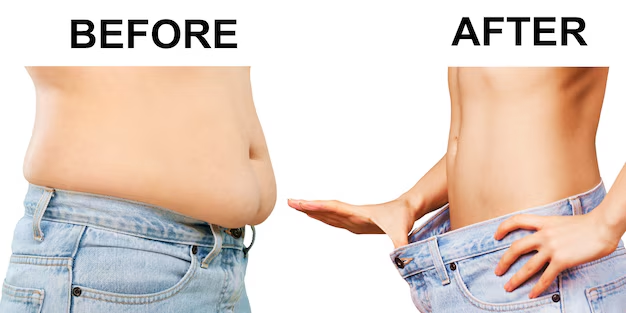
What to Consider Before Starting Treatment
Before beginning weight loss shots in Miramar, consider the practical and medical aspects of treatment. Understanding these details can help you plan realistically and have a more productive consultation.
- Treatment costs: Ask about consultation fees, medication costs, follow-up appointments, and any additional expenses.
- Medication availability: Confirm which FDA-approved medications are available and appropriate for your circumstances.
- Expected timeline: Weight management is a gradual process. Your provider can help establish realistic goals based on your health and treatment response.
- Long-term maintenance: Ask how your treatment plan may change over time and what steps can help maintain your progress.
- Ongoing medical support: Discuss how frequently you will need follow-up visits and how to report side effects between appointments.
It is also important to understand that stopping weight management medication may lead to weight regain. A long-term plan should therefore address both treatment and the habits that support weight maintenance.
If you are considering weight loss shots in Miramar, scheduling a consultation at Collective Aesthetics is an opportunity to discuss your health goals, review appropriate medication options, and learn what medically supervised weight management may involve.
Discover Related Topics
- How Much Do Weight Loss Shots Cost in Miramar?
- What Are Weight Loss Shots? Benefits & How They Work
- Weight Loss Shots Near Me
- Weight Loss Miami Gardens | Collective Aesthetics
- Does Insurance Cover Weight Loss Injections?
- Is Medical Weight Loss Worth It? Benefits Explained
- How to Maintain Weight Loss After Semaglutide Successfully
- Why Am I Not Losing Weight After 40? Reasons & Solutions