

Symptoms of low testosterone include fatigue, low libido, and mood changes. Learn about testing and HRT in Miramar, FL, serving nearby South Florida areas.
Testosterone plays an important role in male health, influencing sexual function, muscle maintenance, bone health, energy, mood, and red blood cell production. When testosterone levels become lower than expected, some men notice changes that affect their physical health, emotional well-being, or quality of life. However, symptoms can vary considerably, and having one symptom does not necessarily mean you have low testosterone.
Understanding the symptoms of low testosterone can help you recognize when it may be appropriate to speak with a qualified medical provider. At Collective Aesthetics in Miramar, FL, hormone replacement therapy is offered as part of the clinic’s Functional Wellness services, with individualized evaluation and treatment planning.
What Is Low Testosterone?
Testosterone is a hormone primarily produced in the testicles in men. It contributes to the development and maintenance of male characteristics and supports several essential processes throughout the body.
Low testosterone, sometimes associated with male hypogonadism or testosterone deficiency, occurs when testosterone production is insufficient and is accompanied by relevant symptoms or clinical findings. The condition can have different causes, including problems affecting the testicles or the hormonal signaling system involving the brain and pituitary gland.
Testosterone levels can also change with age and may be influenced by certain health conditions, medications, body weight, sleep, and other factors.
Because many symptoms overlap with other health concerns, proper evaluation is important before assuming that testosterone is the cause.
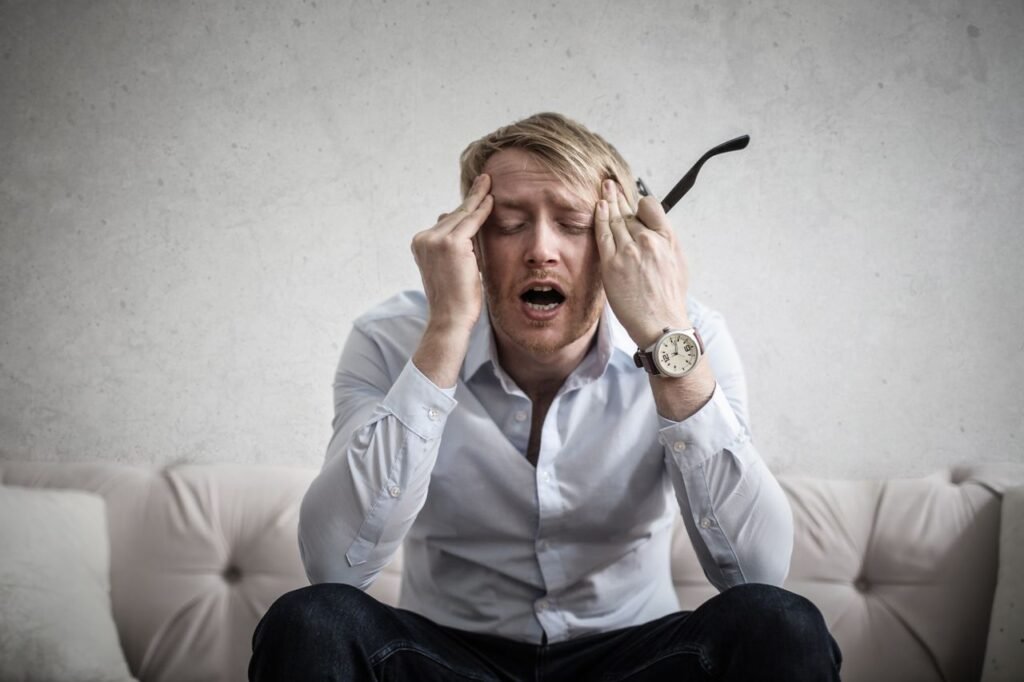
Common Symptoms of Low Testosterone
The symptoms of low testosterone can develop gradually, making them easy to overlook. Some men may notice changes in sexual health first, while others experience fatigue, mood changes, or alterations in muscle mass.
Common signs may include:
- Reduced sex drive or libido
- Erectile difficulties or fewer spontaneous erections
- Persistent fatigue or reduced energy
- Decreased muscle mass or strength
- Changes in body composition
- Low mood or increased irritability
- Difficulty concentrating
- Reduced motivation
- Decreased sperm production or fertility concerns
- Breast tenderness or enlargement
- Loss of body hair
- Reduced bone density over time
- Hot flashes in cases of significantly low testosterone
The Endocrine Society notes that low testosterone is diagnosed by considering both compatible symptoms and appropriately measured low testosterone levels rather than symptoms alone.
Low Libido and Sexual Changes
A noticeable decrease in sexual desire can be one of the more recognizable symptoms of low testosterone.
Some men may also experience fewer spontaneous erections or erectile difficulties. However, sexual changes can have many possible causes, including cardiovascular health, stress, relationship factors, medications, sleep problems, and other medical conditions.
For this reason, a comprehensive assessment is more useful than assuming low testosterone is automatically responsible.
Fatigue and Reduced Energy
Feeling tired occasionally is normal. Persistent fatigue, however, may deserve further attention, especially when it occurs alongside other symptoms.
Men with testosterone deficiency may report reduced energy, motivation, or overall vitality. At the same time, fatigue is extremely common and can also be associated with poor sleep, high stress, nutritional issues, thyroid problems, depression, medications, and other health conditions.
If low energy continues despite adequate rest and healthy lifestyle habits, discussing it with a healthcare professional may be appropriate.
Changes in Muscle Mass and Body Composition
Testosterone contributes to the maintenance of muscle mass and strength. Lower levels may be associated with reduced muscle mass over time.
Some men may notice that their usual workouts no longer produce the same results or that maintaining muscle becomes more difficult. Changes in body composition can also have multiple causes, including aging, reduced physical activity, nutrition, sleep, and metabolic health.
Mood and Concentration Changes
Hormonal changes can affect how a person feels physically and emotionally. Some men with testosterone deficiency report irritability, depressed mood, difficulty concentrating, or reduced motivation.
These symptoms should not automatically be attributed to testosterone. Mental health, stress, sleep quality, work demands, medications, and other medical conditions can produce similar experiences.
That is why hormone evaluation should consider the entire health picture.

What Causes Low Testosterone?
There is no single cause of low testosterone. Testosterone deficiency can result from conditions affecting the testicles or from problems involving the brain and pituitary gland that regulate testosterone production.
Potential contributing factors may include:
- Certain medical conditions
- Testicular injury or disease
- Disorders affecting hormone regulation
- Some medications
- Significant obesity
- Chronic health conditions
- Aging-related hormonal changes
- Other factors affecting normal hormone production
A medical evaluation can help determine whether testosterone deficiency is actually present and whether another condition may be contributing to your symptoms.
When Should You Consider Testosterone Testing?
Not every man experiencing fatigue, low libido, or changes in body composition needs testosterone therapy.
Testing may be worth discussing with a healthcare provider when symptoms are persistent, particularly when several symptoms occur together.
You may want to discuss an evaluation if you are experiencing:
- Persistent low libido
- Ongoing unexplained fatigue
- Changes in sexual function
- Reduced muscle strength
- Significant changes in body composition
- Persistent mood or concentration changes
- Fertility concerns
- Multiple symptoms that are affecting your quality of life
Appropriate laboratory testing can help determine whether testosterone levels may be contributing to your symptoms. Test results should be interpreted alongside your symptoms, medical history, medications, and overall health rather than viewed as an isolated number.
How Is Low Testosterone Diagnosed?
Recognizing the symptoms of low testosterone is only the first step. A proper diagnosis requires medical assessment.
Your provider may review:
- Your current symptoms
- How long symptoms have been present
- Medical and family history
- Current medications and supplements
- Lifestyle and sleep habits
- Sexual and reproductive health
- Relevant laboratory results
- Other possible explanations for your symptoms
Blood testing may be used to measure testosterone levels. Depending on your circumstances, your provider may recommend additional testing or evaluation to better understand the underlying cause.
The goal is not simply to identify a low number. The goal is to determine whether testosterone deficiency is clinically relevant and whether treatment is appropriate.
Can Low Testosterone Be Treated?
Treatment depends on the underlying cause, severity of symptoms, laboratory findings, overall health, and individual treatment goals.
For appropriate patients, testosterone replacement may be considered under medical supervision. Testosterone therapy is not intended to be a general energy booster or a way to achieve an unusually high testosterone level.
At Collective Aesthetics, hormone replacement therapy is part of the clinic’s Functional Wellness services. The practice describes its approach as personalized, beginning with consultation and appropriate evaluation before creating an individualized treatment plan.
Potential Benefits of Appropriate Hormone Therapy
When testosterone therapy is medically appropriate, treatment may help address symptoms associated with testosterone deficiency.
Potential goals may include:
- Supporting healthy energy levels
- Supporting muscle maintenance
- Addressing reduced sexual desire
- Supporting overall well-being
- Supporting bone health
- Improving symptoms associated with confirmed testosterone deficiency
Individual results vary, and treatment should be based on appropriate medical evaluation rather than promises of guaranteed outcomes.
What to Expect at Collective Aesthetics
If you are experiencing several symptoms of low testosterone, a personalized consultation can help determine whether hormone evaluation may be appropriate.
Collective Aesthetics’ hormone care process focuses on understanding the individual rather than relying on a standard treatment approach.
1. Initial Consultation
Your provider can discuss the symptoms you have been experiencing and how they may be affecting your daily life.
You may discuss:
- Energy and fatigue
- Libido and sexual wellness
- Mood and motivation
- Changes in strength or body composition
- Sleep
- Lifestyle
- Existing medical conditions
- Current medications and supplements
- Previous hormone treatments
2. Hormone Evaluation
Appropriate testing can provide information about your current hormone levels. Results are considered alongside your symptoms and medical history.
This step is important because symptoms that resemble testosterone deficiency can have other causes.
3. Personalized Treatment Planning
If evaluation indicates that hormone therapy may be appropriate, your provider can explain available options and develop a plan based on your individual needs.
Factors considered may include:
- Laboratory findings
- Symptoms
- Medical history
- Current medications
- Treatment goals
- Potential risks
- Overall health
4. Follow-Up and Monitoring
Hormone therapy requires ongoing medical oversight. Follow-up appointments and appropriate testing can help your provider assess your response and determine whether adjustments are needed.
This monitoring is an important part of responsible hormone care.
Lifestyle Factors That Support Hormone Health
While medical treatment may be appropriate for some patients, lifestyle habits remain an important part of overall wellness.
Helpful habits may include:
- Getting consistent, quality sleep
- Maintaining regular physical activity
- Including adequate protein and nutrient-dense foods
- Managing chronic stress
- Maintaining a healthy body weight
- Limiting excessive alcohol consumption
- Discussing medications that may affect hormone health with your provider
- Keeping regular medical appointments
Lifestyle improvements cannot replace medical treatment when genuine testosterone deficiency is present, but they can support broader health and wellness.
Symptoms of Low Testosterone vs. Normal Aging
One of the most common questions surrounding testosterone is whether changes are simply a normal part of getting older.
Testosterone levels can change with age, but persistent symptoms should not automatically be dismissed as aging. At the same time, not every age-related change means that hormone replacement is necessary.
For example, reduced energy can result from sleep problems or lifestyle changes. Decreased sexual desire can have psychological, relationship, medication-related, or medical causes. Changes in muscle mass can occur with reduced activity or changes in nutrition.
A personalized evaluation helps distinguish between normal changes, lifestyle-related concerns, and clinically significant testosterone deficiency.

Why a Personalized Approach Matters
Hormone therapy should never be treated as a one-size-fits-all solution.
Two people can have similar testosterone levels but very different symptoms, health histories, and treatment needs. A thoughtful approach considers the whole person.
At Collective Aesthetics, personalized hormone care may take into account:
- Symptoms and their duration
- Laboratory findings
- Medical history
- Family history
- Medications and supplements
- Lifestyle factors
- Individual wellness goals
- Response to treatment over time
The objective is to provide appropriate hormone care based on your individual circumstances.
Testosterone Therapy in Miramar, FL
If you are experiencing several symptoms of low testosterone and want to understand what may be causing them, Collective Aesthetics provides hormone replacement therapy as part of its Functional Wellness services in Miramar, Florida.
The clinic is located at 6229 Miramar Pkwy Ste 7, Miramar, FL 33023, and provides hormone care for patients in Miramar and surrounding South Florida communities.
Patients seeking hormone wellness services may also come from:
If persistent fatigue, reduced libido, changes in strength, mood changes, or other concerns are affecting your quality of life, a professional evaluation can help you understand whether testosterone may be part of the picture.
Schedule a Hormone Health Consultation in Miramar
You do not have to guess whether your symptoms are related to testosterone. A qualified medical provider can review your symptoms, health history, and appropriate laboratory information to help determine the next step.
Collective Aesthetics offers personalized hormone replacement therapy in Miramar, FL, with an approach centered on individualized assessment, treatment planning, and ongoing care.
If you are concerned about persistent changes in your energy, libido, mood, strength, or overall well-being, schedule a consultation with Collective Aesthetics to discuss your hormone health and available treatment options.
Related topic for
Hormone Replacement Therapy
- What Is Hormone Replacement Therapy (HRT) and How Does It Work?
- Top Benefits of Hormone Replacement Therapy for Women
- Bioidentical Hormones vs. Synthetic Hormones: Which Is Best?
- Common Myths and Facts About Hormone Replacement Therapy
- HRT for Men: Addressing Low Testosterone and Its Effects
- How Hormone Replacement Therapy Can Improve Your Quality of Life
- Is Hormone Replacement Therapy Safe? Debunking Safety Concerns
- Who Should Take HRT?
- HRT and Weight Loss: Does Hormonal Balance Help Shed Pounds?
- Hormone Replacement Therapy and Bone Health: Preventing Osteoporosis
- HRT for Perimenopause: What You Need to Know
- what are the signs that you need hormone replacement therapy
- Bioidentical Hormone Replacement Therapy (BHRT) vs. Traditional HRT: Which is Right for You?
- How Long Should You Stay on Hormone Replacement Therapy?