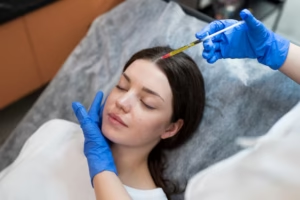
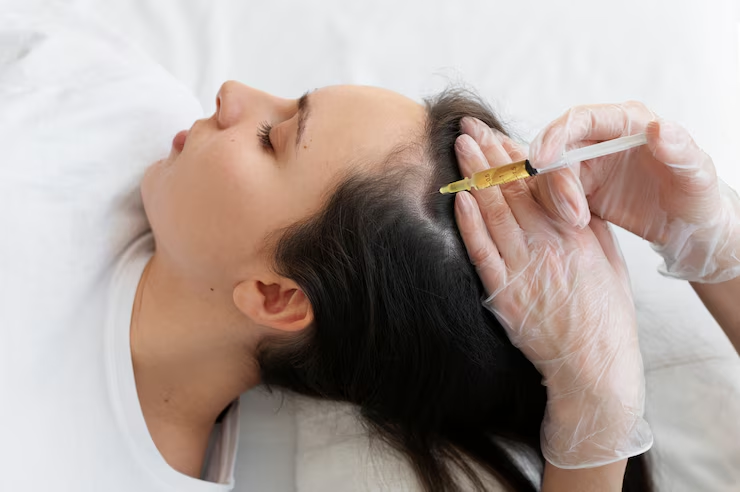
Hair Restoration for Women in Miramar, FL can help address thinning hair. Explore PRP options at Collective Aesthetics near Pembroke Pines, Dania & more.
Hair thinning can be frustrating, especially when your hair no longer feels as full or healthy as it once did. Women may notice increased shedding in the shower, a wider part, reduced ponytail volume, or thinning around the crown and temples. While some shedding is normal, persistent hair loss deserves attention.
Hair Restoration for Women focuses on improving the appearance and health of thinning hair through personalized treatment strategies. At Collective Aesthetics in Miramar, FL, PRP injections are offered as a non-surgical option for women experiencing certain types of hair thinning.
If you live in Miramar or nearby areas such as Pembroke Pines, Dania, Hialeah, Miami Lakes, Miami Gardens, Cooper City, or Hallandale, understanding your options can be the first step toward making a confident treatment decision.
Why Do Women Experience Hair Loss?
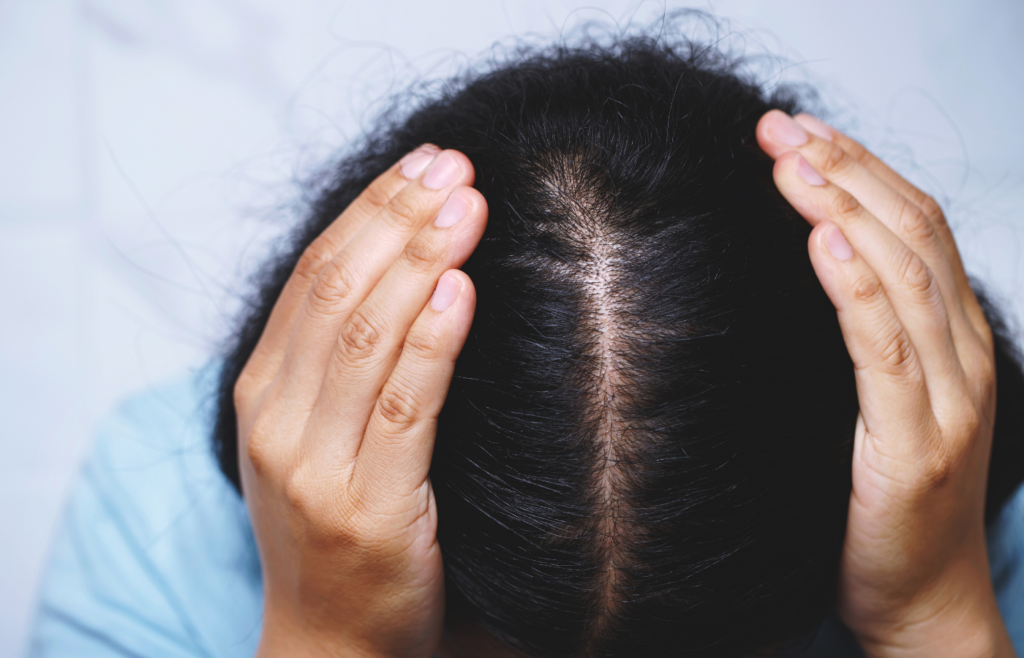
Hair loss in women can have many different causes. Female pattern hair loss, also called androgenetic alopecia, is one of the most common causes and often appears as gradual thinning around the top of the scalp or a widening center part.
Other factors can contribute to temporary or ongoing shedding, including:
- Hormonal changes
- Pregnancy and the postpartum period
- Menopause
- Significant physical or emotional stress
- Nutritional deficiencies
- Certain medications
- Thyroid conditions
- Genetics
- Tight hairstyles or repeated traction
- Certain inflammatory or autoimmune scalp conditions
Because different causes require different approaches, identifying the reason for hair loss is important before beginning treatment. The American Academy of Dermatology recommends professional evaluation because several types of hair loss can look similar but require different management.
What Is Hair Restoration for Women?
Hair Restoration for Women encompasses treatments designed to support thinning areas and improve the appearance of hair density without necessarily requiring surgery.
At Collective Aesthetics, PRP injections are available for hair restoration. PRP, or platelet-rich plasma, uses components of your own blood. A small blood sample is processed to concentrate platelets, and the prepared plasma is then administered into areas of the scalp being treated.
The goal is to use the growth factors found in platelets to support the hair follicles. Research into PRP for female pattern hair loss has shown promising results, although outcomes can vary and additional research is still needed.
Collective Aesthetics describes PRP hair restoration as particularly suitable for earlier stages of thinning, when follicles are still present but may be weakened.
How PRP Hair Restoration Works
PRP is a personalized, minimally invasive approach. Rather than using a surgical hair transplant, the treatment uses your own blood components to support targeted areas of the scalp.
Step 1: Consultation
Your treatment begins with a consultation to discuss your concerns, hair-loss pattern, goals, and medical history.
This step is important because not every type of hair loss is appropriate for PRP. A medical professional may recommend further evaluation when symptoms suggest an underlying condition that requires different treatment.
Step 2: Blood Collection
A small amount of blood is collected from your arm.
Step 3: PRP Preparation
The blood is processed to separate and concentrate the platelet-rich portion.
Step 4: Scalp Treatment
The prepared PRP is administered into selected areas of the scalp where thinning is present.
Step 5: Personalized Follow-Up
Hair growth is gradual, so treatment planning may involve multiple sessions and follow-up assessments. Your provider can discuss an appropriate schedule based on your individual needs.
Who May Benefit From Hair Restoration Treatments?
Hair Restoration for Women may be worth discussing if you have noticed gradual thinning and still have active hair follicles in the affected areas.
Potential signs that it may be time to seek professional advice include:
- Your center part appears wider than it used to
- Your ponytail feels noticeably thinner
- You are seeing increased scalp visibility
- Hair density has gradually decreased
- You have experienced ongoing shedding
- Your hair feels less dense around the crown
- You want a non-surgical approach to addressing hair thinning
Early attention can be particularly valuable. Female pattern hair loss is progressive for many women, and treatment tends to be more useful when started earlier rather than after substantial follicle loss.
However, eligibility cannot be determined from symptoms alone. A consultation is the appropriate starting point for deciding whether PRP or another approach is suitable.
Benefits of PRP for Women’s Hair Restoration
One reason women consider PRP is that it offers a non-surgical approach to hair restoration.
Potential advantages include:
- Uses your own blood-derived plasma
- No surgical incisions or hair transplant procedure
- Targets areas of scalp thinning
- May support healthier-looking hair density
- Can be incorporated into a personalized treatment plan
- May be particularly useful during earlier stages of thinning
- Typically involves little interruption to everyday activities
The American Academy of Dermatology notes that PRP has shown promise for hair loss, but expectations should remain realistic because results are not guaranteed and research continues to develop.
PRP vs. Hair Transplant: What’s the Difference?
PRP and hair transplantation are very different approaches.
A hair transplant involves surgically moving hair follicles from one part of the scalp to another. PRP, by comparison, does not move follicles or involve surgical transplantation.
PRP may therefore appeal to women who want a non-surgical option for addressing thinning hair. However, it is not a replacement for a hair transplant in every situation.
Women with extensive or advanced hair loss may require a different treatment strategy. The AAD notes that not every woman with female pattern hair loss is a suitable candidate for transplantation, particularly when hair is sparse throughout the scalp.
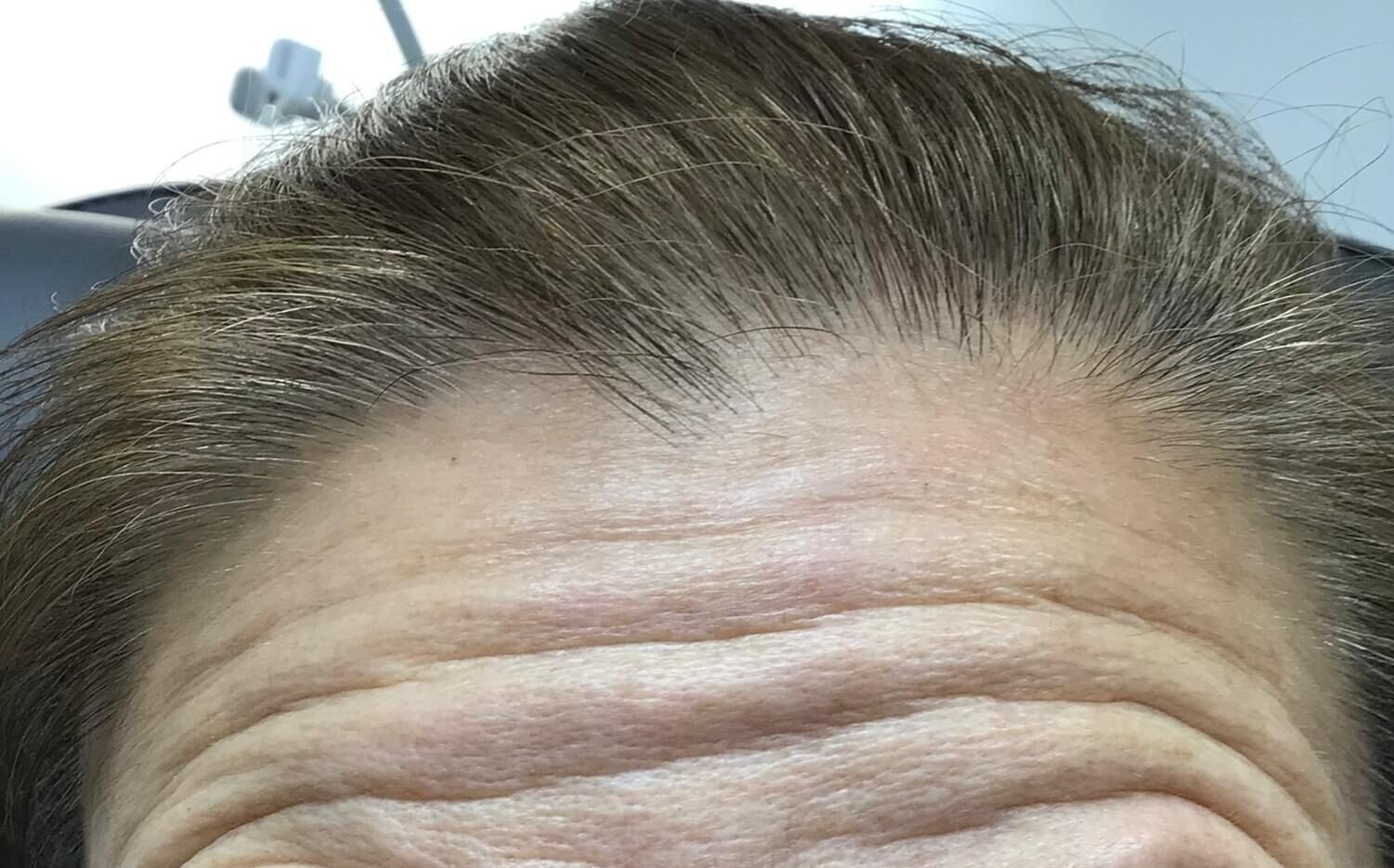
What Results Should You Expect?
One of the most important parts of Hair Restoration for Women is understanding that hair does not grow overnight.
Hair follicles operate through natural growth cycles, meaning visible changes take time. Your response can depend on the underlying cause of your hair loss, the condition of your follicles, your individual biology, and the treatment plan selected.
PRP should therefore not be presented as a guaranteed cure for hair loss.
Some women may experience improvements in hair thickness or density, while others may see a more modest response. Current dermatology guidance recognizes evidence supporting PRP but also emphasizes that additional research is needed, particularly for female pattern hair loss.
A realistic treatment plan focuses on measurable progress rather than promising a specific outcome.
How to Support Your Hair Between Treatments
Professional treatment is only one part of maintaining healthy-looking hair. Everyday habits can also help reduce unnecessary damage and breakage.
Consider:
- Avoiding consistently tight hairstyles
- Limiting excessive heat styling
- Using gentle hair-care products
- Avoiding aggressive brushing when hair is wet
- Eating a balanced diet with adequate nutrients
- Addressing ongoing scalp concerns with a healthcare professional
- Following your provider’s treatment recommendations
It is also worth being cautious with supplements marketed as quick solutions for hair growth. Evidence for many hair supplements is mixed, and supplementation is not appropriate for everyone.
When Should You Seek Professional Advice?
Not all hair loss should be treated as ordinary female pattern thinning.
Sudden shedding, clearly defined bald patches, scalp pain, inflammation, scaling, or rapidly progressing hair loss can require medical assessment. Conditions such as alopecia areata, telogen effluvium, traction alopecia, and scarring forms of alopecia can have different causes and treatment requirements.
If you are experiencing unexplained or significant hair loss, a healthcare professional can help determine whether further evaluation is appropriate before starting an aesthetic hair restoration treatment.
Why Choose Collective Aesthetics in Miramar, FL?
At Collective Aesthetics, Hair Restoration for Women is approached with a focus on individualized care rather than a one-size-fits-all solution.
The clinic offers PRP injections for hair restoration and highlights personalized treatment plans, professional care, and natural-looking outcomes.
The Miramar location also makes the clinic convenient for women searching for hair restoration services from nearby communities, including:
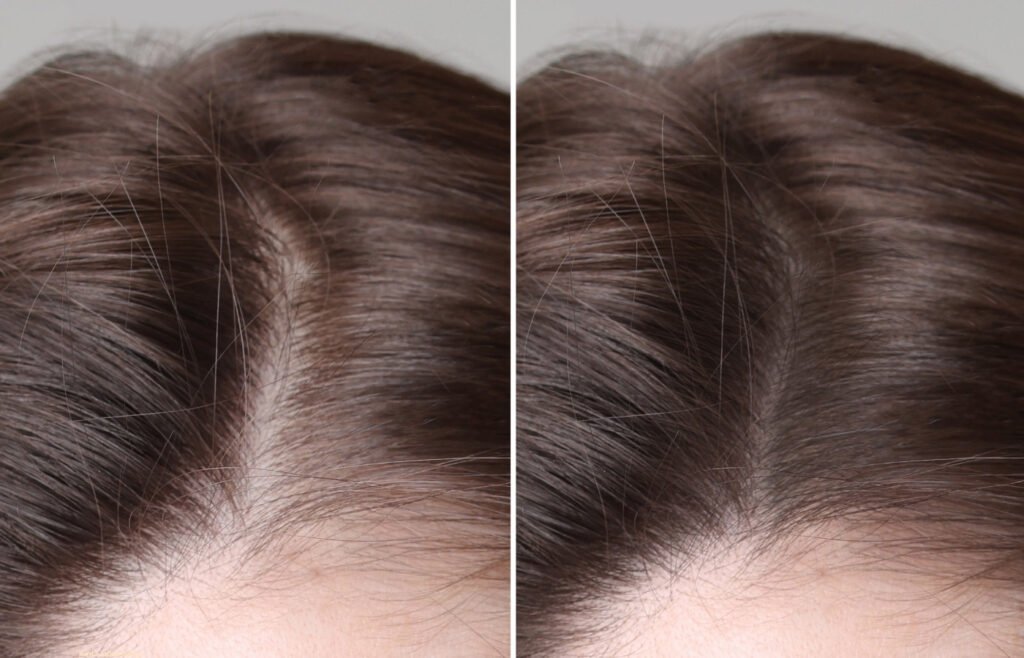
For women who are noticing gradual thinning, reduced density, or changes in their hairline, a consultation can help clarify whether PRP is an appropriate option for their specific situation.
What to Discuss During Your Consultation
Before beginning treatment, come prepared to discuss:
- When you first noticed hair thinning
- Whether hair loss is gradual or sudden
- Any recent hormonal or lifestyle changes
- Your current medications and supplements
- Previous hair-loss treatments
- Your family history of hair thinning
- Your desired outcome
This information can help your provider better understand your concerns and determine whether PRP-based hair restoration is appropriate or whether additional medical evaluation should be considered.
For women looking for Hair Restoration for Women in Miramar, FL, Collective Aesthetics provides a convenient local option for exploring PRP hair restoration in a professional aesthetic setting. Booking a consultation is a practical next step if you want to understand your hair-loss pattern and discuss whether a personalized treatment plan could support fuller-looking, healthier hair.
Related topic for Hair Restoration Services
- The Ultimate Guide to Hair Restoration: Everything You Need to Know
- Top 5 Hair Restoration Treatments for Thinning Hair
- How to Choose the Right Hair Restoration Service for You
- Hair Transplant vs. Non-Surgical Hair Restoration: Which is Better?
- The Science Behind Hair Restoration: How Does It Actually Work?
- Hair Restoration Myths Debunked: What You Need to Know
- What to Expect Before, During, and After a Hair Restoration Procedure
- Laser Therapy for Hair Restoration: Is It Really Effective?
- How Long Does Hair Restoration Take to Show Results?
- The Cost of Hair Restoration: What Are Your Options?
- Natural vs. Surgical Hair Restoration: Which Option is Right for You?
- How Hair Restoration Can Boost Your Confidence and Self-Esteem
- The Best Hair Restoration Services for Men: A Complete Guide
- Women’s Guide to Hair Restoration: Solutions for Thinning and Balding
- How Hair Restoration Services Are Transforming the Way We Treat Hair LossAmerican Academy of Dermatology – Hair Loss
- Cleveland Clinic – Platelet-Rich Plasma (PRP)
- Mayo Clinic – Hair Loss
- National Library of Medicine – Platelet-Rich Plasma for Hair Loss
- American Society of Plastic Surgeons – Hair Loss Treatment