
Hair Restoration for Men in Miramar, FL can help address thinning hair. Collective Aesthetics serves Pembroke Pines, Dania, Hialeah, Miami Lakes and more.
Hair loss is common among men, but that does not make it any less frustrating. Thinning at the temples, a widening part, a receding hairline, or noticeable hair loss at the crown can affect how you feel about your appearance and confidence.
The good news is that men today have more options than simply accepting progressive hair thinning. Modern aesthetic treatments can support healthier-looking hair and may help improve the appearance of areas affected by hair loss.
At Collective Aesthetics in Miramar, FL, Hair Restoration for Men is designed around each individual’s concerns, hair-loss pattern, and treatment goals. Whether you are noticing early thinning or have been dealing with hair loss for years, a professional consultation can help determine which approach may be appropriate for you.
What Causes Hair Loss in Men?
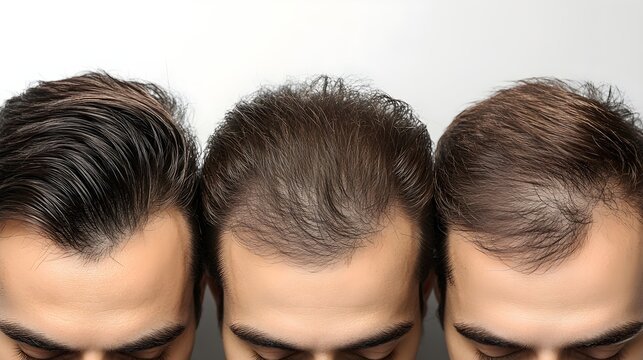
Male hair loss can happen for several reasons. The most common cause is androgenetic alopecia, often called male pattern hair loss. It is influenced by genetics and hormones and typically develops gradually.
Men may first notice:
- Receding hair around the temples
- Thinning at the crown
- A progressively higher hairline
- Reduced hair density
- More visible scalp
- Slower or finer hair growth
Other factors can also contribute to hair shedding or thinning, including nutritional deficiencies, significant stress, certain medications, illness, and other underlying conditions.
Because the cause matters, identifying what is contributing to your hair loss is an important part of developing an appropriate treatment plan.
What Is Hair Restoration for Men?
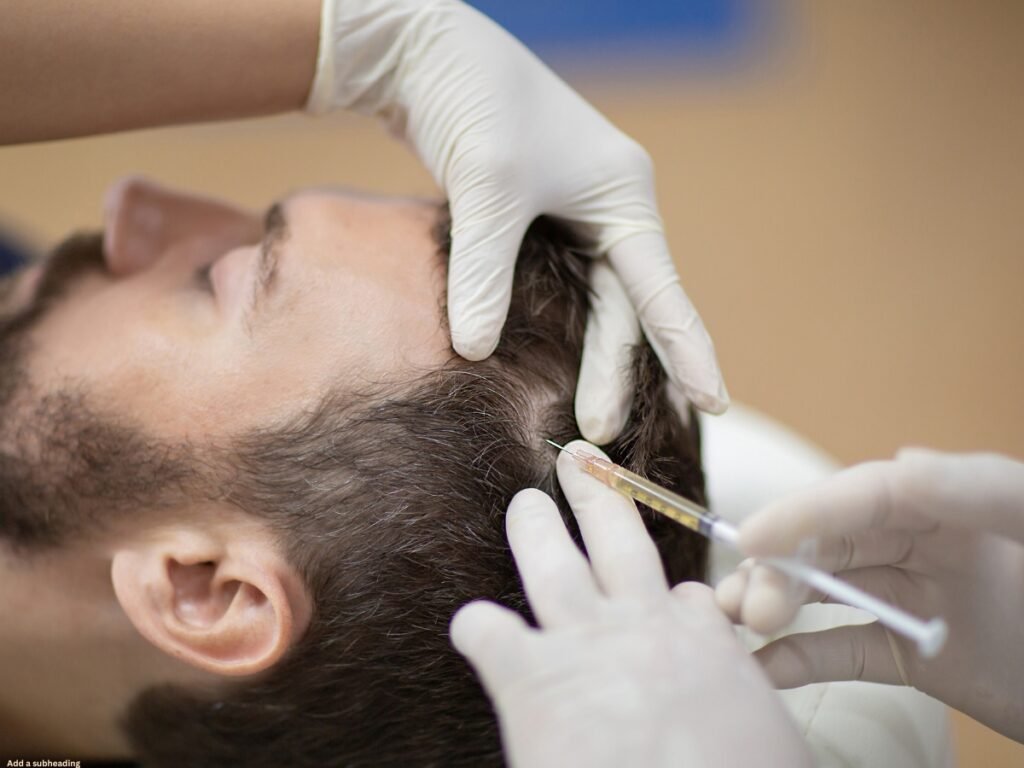
Hair Restoration for Men refers to treatments intended to improve the appearance and density of thinning hair or support the hair-growth environment.
Unlike a traditional hair transplant, many aesthetic hair restoration treatments do not involve surgically moving hair follicles from one part of the scalp to another. Instead, treatments may use regenerative approaches designed to support existing follicles.
At Collective Aesthetics, PRP hair restoration is one of the options available for men interested in addressing hair thinning. The treatment uses platelet-rich plasma prepared from your own blood.
How PRP Hair Restoration Works
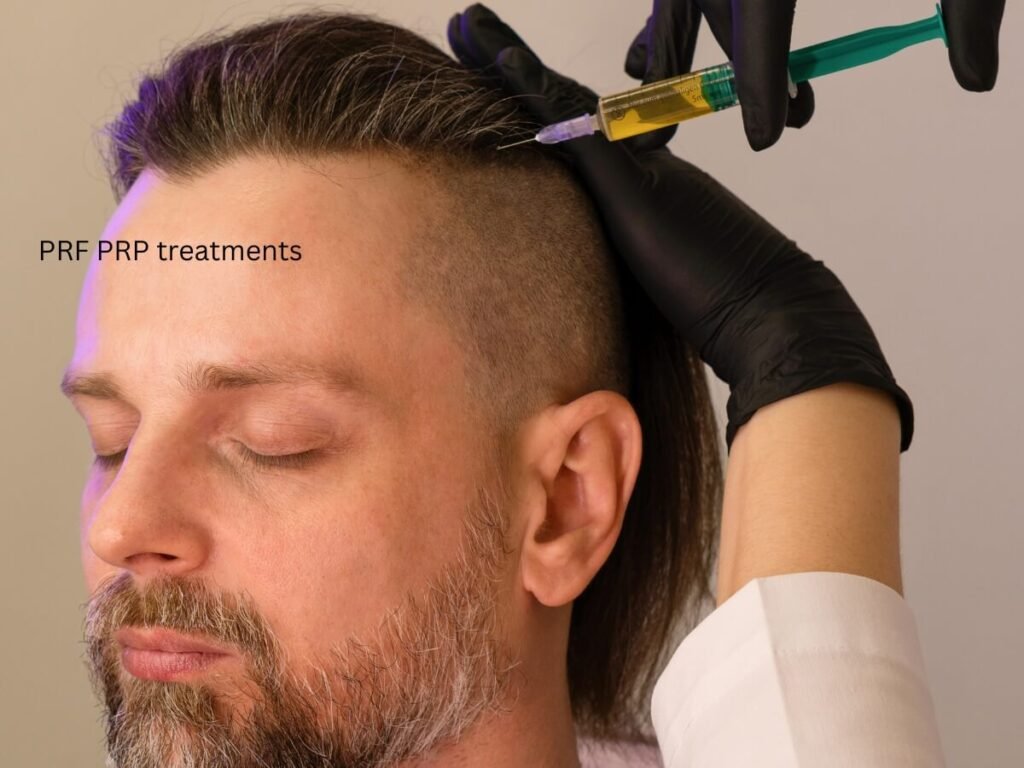
Platelet-rich plasma, or PRP, contains concentrated platelets and growth factors. During a PRP hair restoration treatment, a small blood sample is collected and processed to concentrate the platelets.
The resulting PRP is then carefully administered to areas of the scalp being treated.
The goal is to create a supportive environment for existing hair follicles. PRP is generally most relevant when viable follicles are still present, which is one reason an individual assessment is important before treatment.
Who May Be a Candidate?
Not every type of hair loss responds to the same treatment. A consultation allows a qualified provider to assess your concerns and discuss whether treatment may be suitable.
You may be a potential candidate if you:
- Are experiencing gradual hair thinning
- Have early or moderate male pattern hair loss
- Want to support the appearance of existing hair
- Are noticing thinning around the hairline or crown
- Prefer a minimally invasive aesthetic treatment
- Have realistic expectations about possible results
PRP-based hair restoration is generally more focused on supporting existing follicles than replacing areas where follicles are no longer viable.
If hair loss is sudden, severe, patchy, or accompanied by scalp symptoms, medical evaluation may be appropriate to identify the underlying cause before pursuing an aesthetic treatment.
Benefits of Hair Restoration for Men
The potential benefits depend on the individual, the cause and extent of hair loss, and the treatment approach selected.
Potential advantages of PRP hair restoration include:
- Uses components derived from your own blood
- Minimally invasive compared with surgical hair transplantation
- Targets areas of thinning directly
- Can be incorporated into an individualized hair-care plan
- May support the appearance of hair density
- Does not require surgical follicle transplantation
One of the biggest advantages of seeking treatment early is that you may still have active follicles that can potentially be supported.
What to Expect During Treatment
Understanding the process can make a hair restoration consultation much easier.
1. Initial Consultation
Your provider will discuss your hair-loss history, concerns, goals, and previous treatments. The scalp and pattern of thinning may also be assessed.
This step helps determine whether PRP or another approach is appropriate for your needs.
2. Blood Collection
If PRP is recommended, a small amount of your blood is collected. The sample is then processed to separate and concentrate the platelet-rich component.
3. Scalp Treatment
The prepared PRP is administered to selected areas of the scalp. The treatment focuses on areas where increased support for existing hair follicles may be beneficial.
4. Aftercare
Your provider will explain any specific aftercare instructions and what to expect following treatment. Following those recommendations can help you get the most from your treatment plan.
How Long Does Hair Restoration Take to Work?
Hair does not grow overnight, so patience is an important part of any hair restoration plan.
Hair growth occurs in cycles, and changes in hair density can take time to become noticeable. Results can vary considerably between individuals depending on the cause of hair loss, the condition of the follicles, age, overall health, and other factors.
For this reason, it is better to think of hair restoration as a process rather than an immediate transformation.
Your provider can discuss realistic expectations during your consultation and explain whether a series of treatments or ongoing maintenance may be appropriate.
Hair Restoration vs. Hair Transplant
Hair restoration and hair transplantation are not the same procedure.
A hair transplant is a surgical procedure that involves harvesting hair follicles and transplanting them into areas affected by hair loss. It may be appropriate for certain individuals with specific patterns of permanent hair loss.
PRP hair restoration, by comparison, is a minimally invasive treatment intended to support existing follicles rather than surgically relocate them.
The right choice depends on your individual circumstances. Factors such as the extent of hair loss, available donor hair, age, expectations, and underlying cause should all be considered.
A consultation can help you understand which options may make sense for your situation.
Why Early Hair-Loss Treatment Matters
Many men wait until hair loss becomes significant before seeking professional advice. However, early evaluation can be useful.
When thinning is addressed earlier, there may be more existing follicles available to support. Early treatment can also provide an opportunity to investigate potential contributing factors before hair loss progresses.
Signs that it may be time to schedule an assessment include:
- Increased hair shedding
- A receding hairline
- Thinning at the crown
- Noticeably finer hair
- More scalp visibility
- Changes in hair density over several months
Seeking professional guidance does not mean you have to commit to treatment. It simply gives you a clearer understanding of your options.
What Makes Hair Restoration Different for Every Man?
There is no universal hair-loss pattern.
One man may primarily have a receding hairline, while another may notice thinning across the crown. Someone else may experience diffuse thinning throughout the scalp.
Age, genetics, hormones, lifestyle factors, hair-care habits, and underlying health issues can all influence the picture.
That is why Hair Restoration for Men should be approached as an individualized service rather than a one-size-fits-all procedure.
At Collective Aesthetics, the consultation process provides an opportunity to discuss your concerns and develop a treatment approach based on your specific needs.
Supporting Healthy-Looking Hair Between Treatments
Professional treatment is only one part of maintaining your hair and scalp.
Healthy habits can complement your overall approach to hair care. Depending on your individual circumstances, this may include:
- Eating a balanced diet with adequate nutrients
- Avoiding unnecessarily harsh hair treatments
- Managing excessive stress where possible
- Protecting the scalp from excessive sun exposure
- Following professional aftercare instructions
- Addressing underlying medical or nutritional concerns when identified
It is also important to avoid assuming that every supplement or online hair-loss product will be effective. If you are experiencing persistent or unexplained hair loss, professional evaluation is a better starting point than self-treating.
Why Choose Collective Aesthetics in Miramar?
Collective Aesthetics provides aesthetic and wellness services with an emphasis on personalized care. For men considering Hair Restoration for Men, the goal is to understand the individual’s concerns and provide a treatment plan that aligns with their needs and expectations.
Located in Miramar, the clinic is conveniently positioned for clients from surrounding South Florida communities, including:
Choosing a local provider also makes it easier to maintain communication and attend follow-up appointments when ongoing treatment is recommended.
Take the Next Step Toward Fuller-Looking Hair
If thinning hair or a receding hairline has started affecting your confidence, you do not have to navigate your options alone.
Hair Restoration for Men at Collective Aesthetics offers a minimally invasive approach for men interested in supporting existing hair and addressing visible thinning. During a consultation, you can discuss your goals, learn more about PRP hair restoration, and determine whether the treatment is appropriate for you.
Collective Aesthetics is located in Miramar, Florida, making professional hair restoration services accessible to men throughout Miramar and nearby communities. Schedule a consultation to discuss your hair-loss concerns and explore a personalized approach to treatment.
Related topic for Hair Restoration Services
- The Ultimate Guide to Hair Restoration: Everything You Need to Know
- Top 5 Hair Restoration Treatments for Thinning Hair
- How to Choose the Right Hair Restoration Service for You
- Hair Transplant vs. Non-Surgical Hair Restoration: Which is Better?
- The Science Behind Hair Restoration: How Does It Actually Work?
- Hair Restoration Myths Debunked: What You Need to Know
- What to Expect Before, During, and After a Hair Restoration Procedure
- Laser Therapy for Hair Restoration: Is It Really Effective?
- How Long Does Hair Restoration Take to Show Results?
- The Cost of Hair Restoration: What Are Your Options?
- Natural vs. Surgical Hair Restoration: Which Option is Right for You?
- How Hair Restoration Can Boost Your Confidence and Self-Esteem
- The Best Hair Restoration Services for Men: A Complete Guide
- Women’s Guide to Hair Restoration: Solutions for Thinning and Balding
- How Hair Restoration Services Are Transforming the Way We Treat Hair LossAmerican Academy of Dermatology – Hair Loss
- Cleveland Clinic – Platelet-Rich Plasma (PRP)
- Mayo Clinic – Hair Loss
- National Library of Medicine – Platelet-Rich Plasma for Hair Loss
- American Society of Plastic Surgeons – Hair Loss Treatment