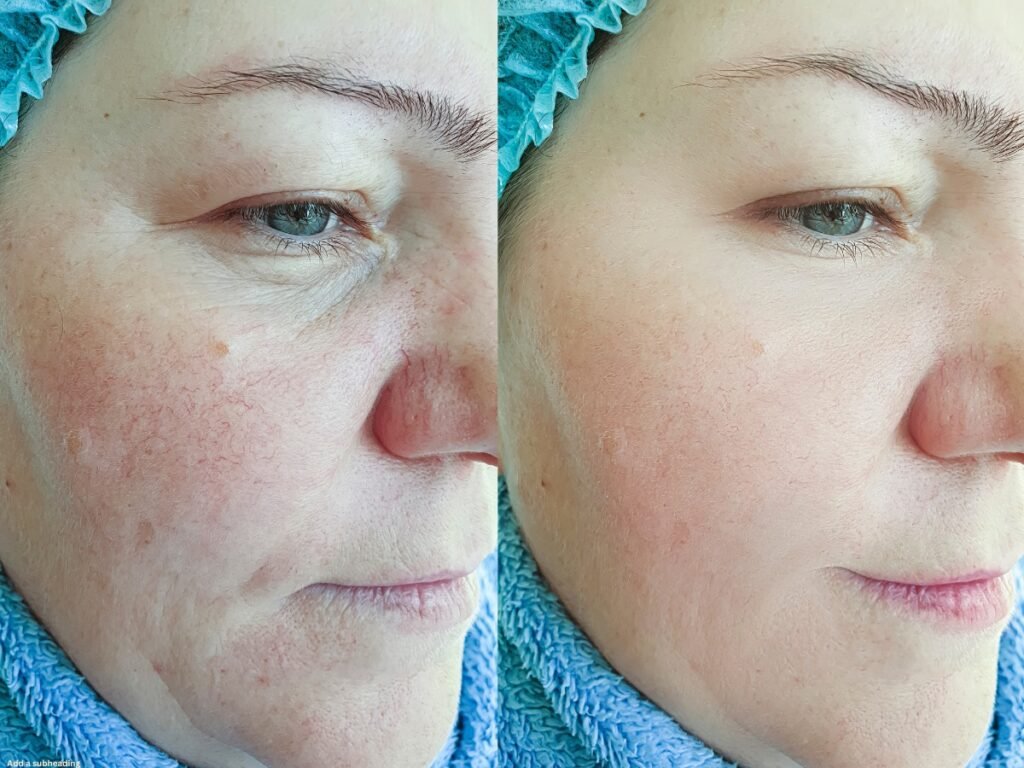
Can hormones affect skin aging? Discover how hormonal changes impact collagen and skin health at Collective Aesthetics in Miramar, FL.
Healthy, youthful-looking skin is influenced by much more than skincare products and sun exposure. Internal changes within the body can also play a significant role in how the skin looks and feels over time. Hormones influence collagen production, hydration, elasticity, oil production, pigmentation, and even the skin’s ability to repair itself.
So, can hormones affect skin aging? The answer is yes. Changes in estrogen, progesterone, testosterone, cortisol, thyroid hormones, and other important hormones can contribute to visible changes in the skin.
At Collective Aesthetics in Miramar, FL, we understand that skin concerns are not always limited to what is happening on the surface. For many patients, changes in skin quality may be connected to natural hormonal shifts associated with aging, menopause, stress, or other changes in overall wellness.
We proudly serve patients from Miramar and nearby communities, including Pembroke Pines, Dania, Hialeah, Miami Lakes, Miami Gardens, Cooper City, and Hallandale.
Can Hormones Affect Skin Aging? The Short Answer
Can hormones affect skin aging? Absolutely. Hormones act as chemical messengers throughout the body, and the skin contains hormone receptors that respond to hormonal activity.
When hormone levels are balanced, they can support several important functions that contribute to healthy skin. When hormone levels fluctuate or decline, visible changes may occur.
Hormonal changes can influence:
- Collagen and elastin production
- Skin thickness
- Moisture retention
- Oil production
- Skin elasticity
- Wound healing and cellular repair
- Pigmentation
- Facial fat distribution
- Inflammation
These changes can become particularly noticeable during midlife and menopause, although hormonal fluctuations can affect adults at different stages of life.
Understanding the connection between hormones and skin can help patients take a more comprehensive approach to aesthetic and wellness concerns.
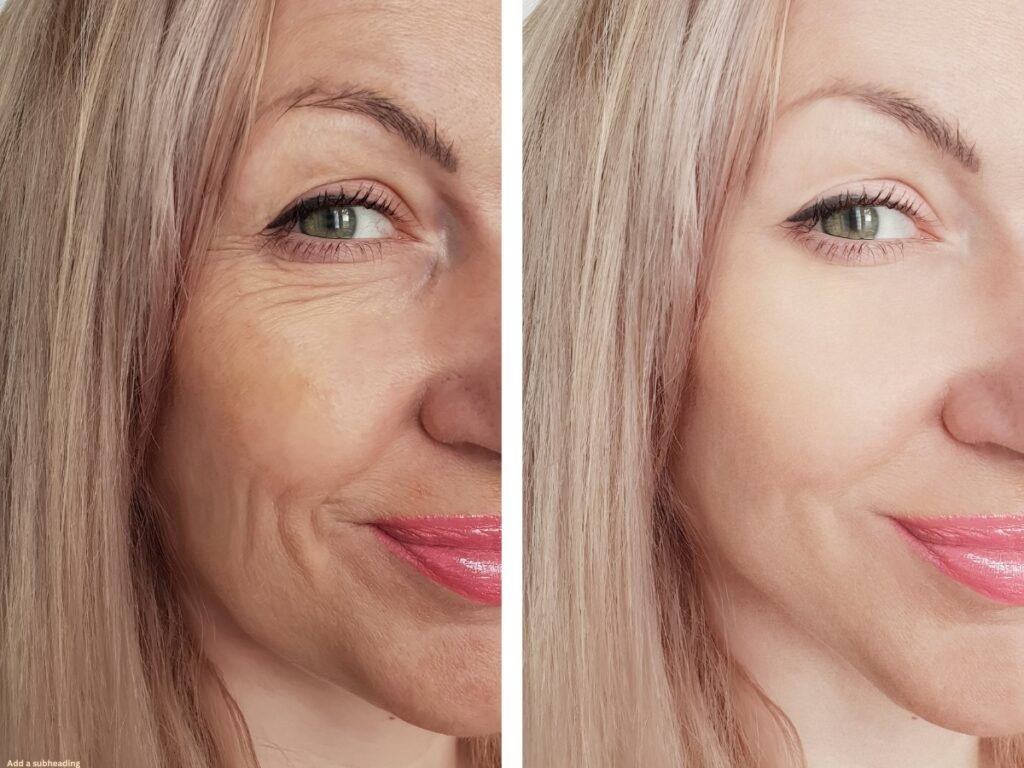
How Estrogen Affects Skin Health and Aging
Estrogen is one of the most important hormones associated with skin health. It plays a significant role in maintaining collagen, hydration, thickness, and elasticity.
As estrogen levels decline, particularly during perimenopause and menopause, many women begin noticing changes in their skin.
Lower Estrogen and Collagen Loss
Collagen is a structural protein that helps keep the skin firm, smooth, and resilient. Natural collagen production gradually decreases with age, but hormonal changes may accelerate some of these visible effects.
Lower estrogen levels may contribute to:
- Increased skin laxity
- Fine lines and wrinkles
- Thinner skin
- Reduced firmness
- Slower wound healing
- Changes in facial volume and texture
This is one reason why some women notice significant skin changes during or after menopause.
Hormones and Skin Hydration
Estrogen also supports moisture retention and healthy skin barrier function. When estrogen levels decrease, the skin may become drier and less able to retain moisture.
Patients may experience:
- Dry or rough skin
- Increased sensitivity
- A dull complexion
- More noticeable fine lines
- Reduced skin softness
While high-quality skincare can help improve hydration, addressing overall wellness and hormonal health may also be an important part of a personalized treatment strategy.
The Role of Progesterone in Skin Changes
Progesterone naturally fluctuates throughout a woman’s life and may also influence the skin.
Changes in progesterone levels can affect:
- Skin hydration
- Sebum production
- Inflammation
- Skin sensitivity
Hormonal fluctuations may contribute to temporary changes in the complexion, especially around menstrual cycles or periods of significant hormonal transition.
Because hormones work together as part of a complex system, skin changes are rarely caused by one hormone alone. A complete evaluation may be necessary when patients experience significant changes in their skin alongside other symptoms of hormonal imbalance.
Can Testosterone Influence Skin Aging?
Testosterone is commonly associated with muscle mass and energy, but it can also affect the skin.
Both men and women produce testosterone, although levels vary significantly.
Changes in testosterone may influence:
- Skin thickness
- Oil production
- Acne development
- Hair growth and hair loss
- Facial composition
When testosterone and other hormones fluctuate, some individuals may notice increased oiliness, breakouts, or changes in skin texture.
As people age, declining hormone levels may also contribute to changes in skin structure and overall appearance.
Cortisol, Stress, and Premature Skin Aging
Stress is another important factor to consider when discussing hormones and the skin.
Cortisol is often called the body’s primary stress hormone. Short-term increases in cortisol are a normal part of the body’s stress response. However, chronic stress may affect overall wellness and potentially contribute to visible skin concerns.
Long-term stress may be associated with:
- Increased inflammation
- Sleep disruption
- Slower skin recovery
- Breakouts
- Dullness
- Changes in the skin barrier
Can hormones affect skin aging? Stress-related hormonal activity can be one piece of the puzzle. Chronic stress does not operate independently from other lifestyle factors. Sleep, nutrition, hydration, physical activity, and sun exposure can all influence how the skin ages.
A comprehensive approach to wellness can support both internal health and external appearance.
Thyroid Hormones and Changes in the Skin
Thyroid hormones help regulate metabolism and influence many functions throughout the body.
When thyroid hormone levels are disrupted, some individuals may experience noticeable changes involving the skin and hair.
Possible skin-related changes can include:
- Dryness
- Rough texture
- Increased sensitivity
- Changes in hair quality
- Hair thinning
- Changes in sweating or oil production
These symptoms can have multiple causes, so it is important not to self-diagnose based on skin changes alone. Patients experiencing persistent symptoms should seek appropriate medical evaluation.
Why Menopause Can Cause Noticeable Skin Changes
Menopause is one of the most significant hormonal transitions affecting skin aging.
During menopause, estrogen levels decline, which can influence collagen production, skin hydration, elasticity, and thickness.
Many women notice:
- More visible wrinkles
- Increased dryness
- Loss of facial firmness
- Thinning skin
- Changes around the jawline and cheeks
- A reduction in skin elasticity
These changes are completely natural, but that does not mean patients have no options for supporting their skin and overall confidence.
At Collective Aesthetics, personalized aesthetic and wellness services can help patients address concerns related to skin quality, facial aging, and overall wellness.
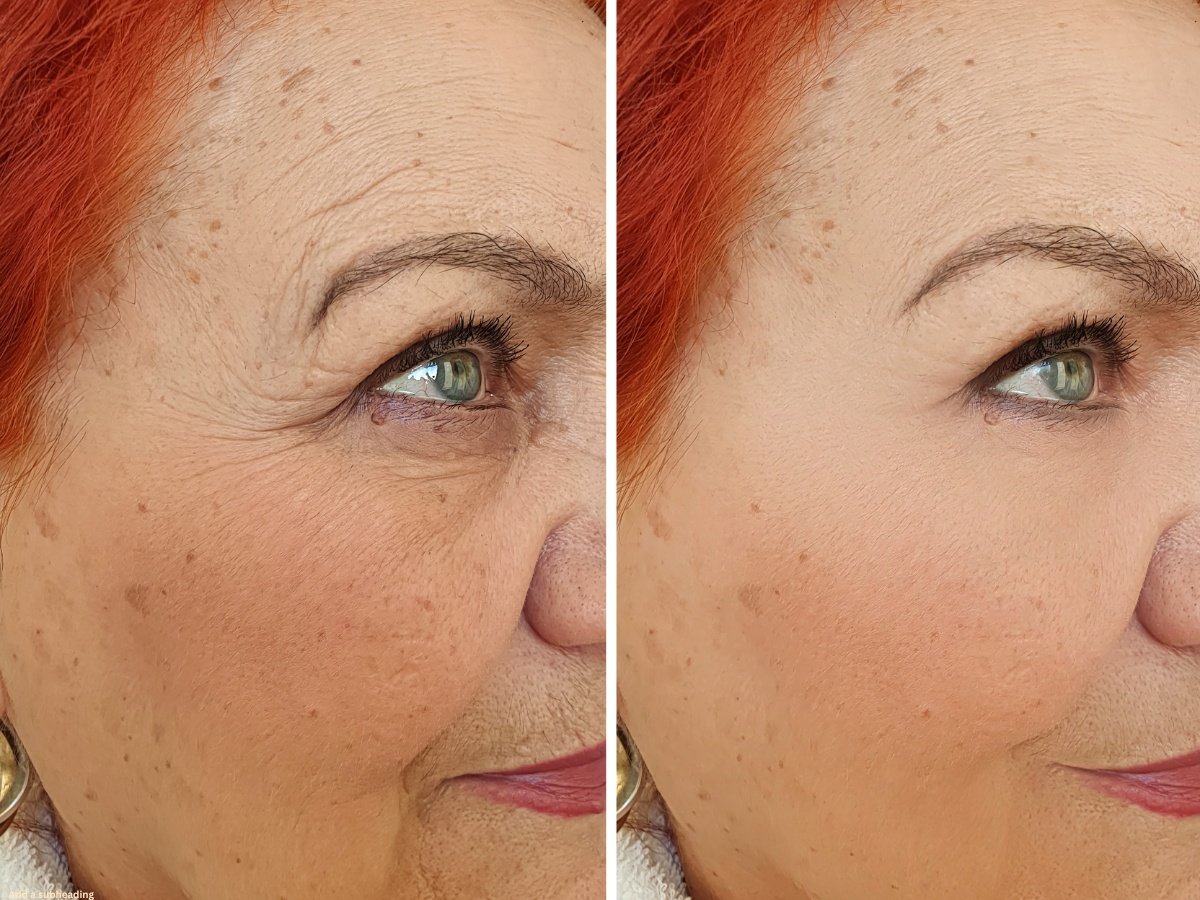
Can Hormone Replacement Therapy Support Skin Health?
For eligible patients, hormone replacement therapy may be considered as part of a medically guided approach to managing symptoms associated with hormonal changes.
Can hormones affect skin aging? If hormonal changes are contributing to visible skin concerns, restoring appropriate hormonal balance under medical supervision may potentially support overall skin health as part of a broader wellness plan.
Hormone replacement therapy is not a cosmetic treatment, and it should not be viewed as a replacement for professional skincare or aesthetic procedures. Instead, it may be one component of a personalized approach for appropriate candidates.
Potential benefits of medically supervised hormone optimization may include support for:
- Overall wellness
- Energy and quality of life
- Symptoms associated with hormonal changes
- Healthy aging goals
Individual results vary, and not everyone is a candidate for hormone therapy.
Who May Benefit From a Hormonal Evaluation?
A consultation may be helpful for individuals experiencing noticeable changes in their skin along with symptoms that may be associated with hormonal changes.
Potential signs to discuss with a qualified medical provider include:
- Persistent skin dryness
- Sudden changes in skin texture
- Increased wrinkles or loss of elasticity
- Changes in hair thickness
- Fatigue
- Sleep disturbances
- Changes in mood
- Hot flashes or night sweats
- Changes in body composition
- Reduced energy or overall well-being
Eligibility for hormone-related treatment depends on individual health history, symptoms, laboratory findings, and medical evaluation.
A Comprehensive Approach to Skin Aging at Collective Aesthetics
The best approach to healthy aging often involves more than one treatment.
Can hormones affect skin aging? Yes, but hormones are only one factor. Genetics, sun exposure, smoking, nutrition, stress, sleep, skincare habits, and natural aging also influence the appearance of the skin.
That is why a personalized strategy can be more effective than relying on a single treatment.
Depending on individual needs and goals, patients may benefit from a combination of:
- Hormone Replacement Therapy for appropriate candidates
- RF microneedling
- Traditional microneedling
- PRP and regenerative treatments
- Medical-grade skincare
- Injectable treatments
- Skin rejuvenation procedures
- Wellness-focused treatments
At Collective Aesthetics, treatment recommendations are based on the patient’s individual concerns, goals, and medical considerations.
How Aesthetic Treatments Can Complement Hormonal Wellness
While hormone optimization may support internal wellness for appropriate candidates, aesthetic treatments can directly target visible signs of skin aging.
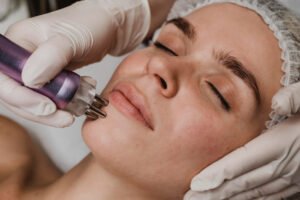
Microneedling and RF Microneedling
Microneedling creates controlled micro-injuries designed to stimulate the body’s natural collagen response.
RF microneedling combines microneedling technology with radiofrequency energy to target deeper layers of the skin.
These treatments may help improve:
- Fine lines
- Skin texture
- Acne scars
- Skin laxity
- Overall skin quality
PRP-Based Treatments
Platelet-rich plasma treatments use components derived from the patient’s own blood and may be used in certain regenerative aesthetic applications.
PRP can be incorporated into personalized treatment plans designed to support skin rejuvenation and hair restoration.
Medical-Grade Skincare
Professional skincare can play an important role in maintaining and protecting the skin.
A personalized skincare routine may include products designed to support:
- Hydration
- Skin barrier health
- Collagen production
- Pigmentation management
- Cellular turnover
- Antioxidant protection
Daily sunscreen remains one of the most important tools for reducing preventable sun-related skin aging.
What Does the Treatment Process Look Like?
At Collective Aesthetics, the process begins with understanding the individual rather than immediately recommending a treatment.
A personalized consultation may involve:
- Discussing your aesthetic and wellness concerns.
- Reviewing relevant symptoms and health history.
- Evaluating potential contributing factors.
- Determining whether hormone-related services may be appropriate.
- Discussing aesthetic treatments that may complement your goals.
- Creating a personalized treatment plan.
The goal is to provide patient-focused care rather than a one-size-fits-all solution.
Key Advantages of Addressing Skin Aging From Multiple Angles
Taking a comprehensive approach can provide several advantages.
A personalized strategy may help:
- Address internal and external contributors to aging
- Improve understanding of individual skin concerns
- Combine wellness and aesthetic goals when appropriate
- Create a more sustainable long-term skincare plan
- Avoid relying on a single treatment for every concern
- Support natural-looking aesthetic results
Because every patient has different skin characteristics, health factors, and goals, individualized recommendations are essential.
When Should You Consider Professional Guidance?
Can hormones affect skin aging? If you are experiencing changes in your skin alongside other physical or wellness concerns, a professional consultation can help you better understand the possible contributing factors.
It is especially important to seek qualified medical guidance rather than relying on online supplements, unregulated hormone products, or self-diagnosis.
A medical provider can evaluate your symptoms and determine whether hormone testing, lifestyle adjustments, wellness care, or aesthetic treatments may be appropriate.
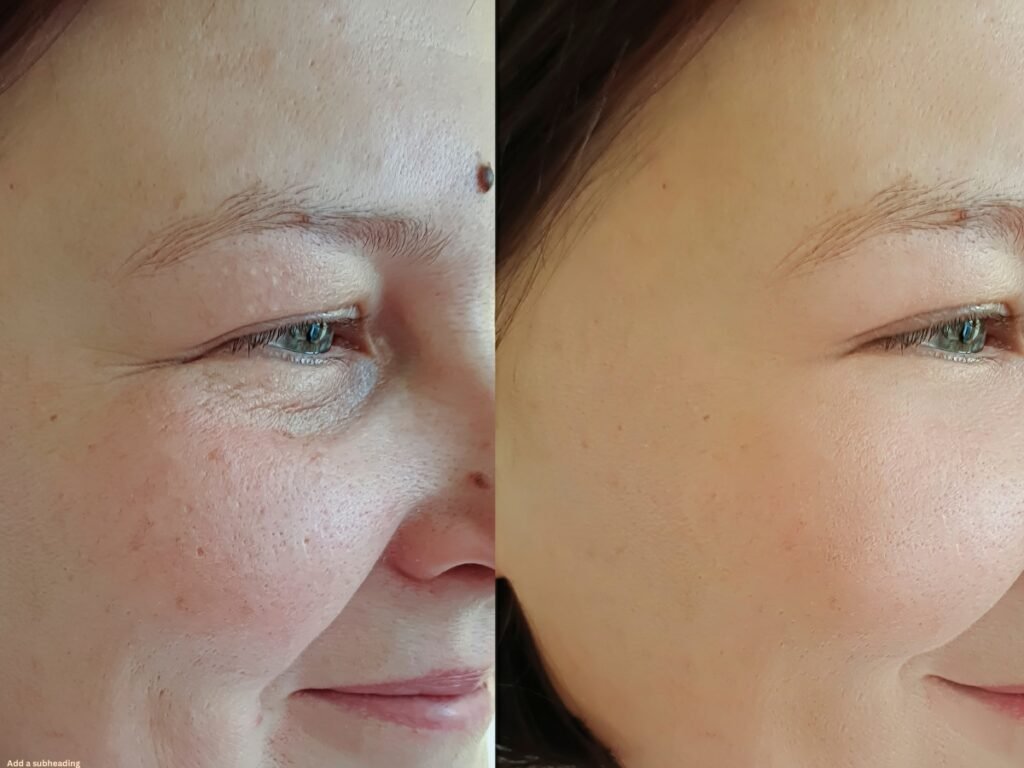
Personalized Hormone and Skin Wellness Care in Miramar, FL
At Collective Aesthetics, we actively offer personalized wellness and aesthetic services designed to help patients feel confident and supported throughout the aging process.
Can hormones affect skin aging? Understanding the connection between internal health and visible skin changes can help create a more thoughtful approach to aging gracefully.
Whether you are concerned about skin dryness, wrinkles, loss of elasticity, hormonal changes, or overall wellness, our team can help you explore treatment options based on your individual needs.
Collective Aesthetics proudly serves patients in Miramar, FL, as well as Pembroke Pines, Dania, Hialeah, Miami Lakes, Miami Gardens, Cooper City, Hallandale, and surrounding South Florida communities.
Schedule a personalized consultation to discuss your skin concerns, wellness goals, and available treatment options at Collective Aesthetics.
Related topic for
Hormone Replacement Therapy
- What Is Hormone Replacement Therapy (HRT) and How Does It Work?
- Top Benefits of Hormone Replacement Therapy for Women
- Bioidentical Hormones vs. Synthetic Hormones: Which Is Best?
- Common Myths and Facts About Hormone Replacement Therapy
- HRT for Men: Addressing Low Testosterone and Its Effects
- How Hormone Replacement Therapy Can Improve Your Quality of Life
- Is Hormone Replacement Therapy Safe? Debunking Safety Concerns
- Who Should Take HRT?
- HRT and Weight Loss: Does Hormonal Balance Help Shed Pounds?
- Hormone Replacement Therapy and Bone Health: Preventing Osteoporosis
- HRT for Perimenopause: What You Need to Know
- what are the signs that you need hormone replacement therapy
- Bioidentical Hormone Replacement Therapy (BHRT) vs. Traditional HRT: Which is Right for You?
- How Long Should You Stay on Hormone Replacement Therapy?