
Botox for Forehead Lines vs Frown Lines Compare treatment areas and benefits at Miramar, FL, serving Pembroke Pines, Dania, Hialeah, Miami Lakes, Miami Gardens, Cooper City & Hallandale.
Botox for Frown Lines: Treatment Area and Benefits
Frown lines, often called glabellar lines or the “11 lines,” appear between the eyebrows. They may look like two vertical creases or a series of deeper lines that become more prominent when someone frowns, squints, or concentrates.
These lines primarily involve the corrugator supercilii and procerus muscles, which pull the eyebrows inward and downward. Repeated contraction can make the area between the eyebrows look tense, serious, or tired, even when a person feels relaxed.

Who May Benefit From Frown Line Botox?
Frown line treatment may be suitable for adults who:
- Notice vertical lines between their eyebrows when frowning.
- Have expression-related creases that are becoming more visible.
- Want to soften a tense or concerned appearance.
- Prefer a nonsurgical option for addressing dynamic wrinkles.
- Are medically appropriate candidates following a professional assessment.
Frown line Botox may also be considered when creases remain visible at rest. However, deeper, established wrinkles may not disappear completely because the skin itself can retain lines after years of repeated movement.
Key Benefits of Frown Line Botox
Potential benefits include:
- Reducing the appearance of vertical lines between the eyebrows.
- Softening expression-related creases associated with frowning.
- Creating a more relaxed-looking appearance without adding volume.
- Providing a nonsurgical treatment option with minimal downtime for most patients.
- Allowing treatment to be tailored to muscle activity and individual facial characteristics.
The objective is to soften unwanted lines while preserving the ability to express emotions naturally. Treatment intensity should reflect the patient’s preferences, anatomy, and clinical suitability.
What Happens During a Frown Line Treatment?
Your provider evaluates how the eyebrows move when you frown and relax. The muscles responsible for pulling the eyebrows together are then assessed to determine suitable injection locations.
Treatment generally involves several small injections into selected muscles. The precise number of injection points and medication units varies according to the individual’s anatomy, muscle strength, product labeling, and treatment goals.
Some patients notice improvement within a few days, with the full cosmetic effect usually becoming clearer within approximately two weeks.
Botox for Forehead Lines vs Frown Lines: Key Differences
Although both treatments use botulinum toxin to reduce targeted muscle activity, they are not interchangeable. Each area has different muscular functions and considerations that influence treatment planning.
| Comparison | Forehead lines | Frown lines |
|---|---|---|
| Typical location | Horizontal lines across the forehead | Vertical or diagonal lines between the eyebrows |
| Primary muscles | Frontalis | Corrugator supercilii and procerus |
| Common expression | Raising the eyebrows | Frowning or drawing the eyebrows together |
| Main treatment consideration | Preserving eyebrow position and forehead movement | Reducing frown-related muscle contraction while maintaining natural expression |
| Potential concern | Brow heaviness or eyelid-related symptoms if treatment is poorly suited or excessive | Temporary eyelid or eyebrow drooping and other injection-related effects |
| Expected results | Softer horizontal expression lines | Softer vertical lines between the eyebrows |
Which Area Should You Treat First?
When deciding between Botox for Forehead Lines vs Frown Lines, start with the area that concerns you most and discuss how your facial muscles work together.
If your main concern is horizontal forehead creasing, your provider may evaluate the frontalis muscle and eyebrow position first. If the vertical lines between your eyebrows make you look tense, assessment of the glabellar muscles may be the priority.
Some patients benefit from treating both areas during the same appointment. However, combined treatment is not automatically the best choice for everyone. The forehead muscles help elevate the eyebrows, while the muscles between the eyebrows contribute to pulling them inward and downward. Treatment needs to account for this balance.
Your provider should consider your facial anatomy, eyelid position, existing asymmetry, medical history, and desired level of movement before recommending one area or a combination.
Can You Get Botox for Both Forehead and Frown Lines?
Yes. Treating both areas in one session may be appropriate for eligible patients who want to address horizontal forehead lines and the vertical lines between their eyebrows.
A combined treatment plan may provide a more balanced improvement across the upper face. However, the treatment areas, injection points, and dosage should be determined individually rather than following a standard plan for every patient.
Potential Advantages of Combined Treatment
Depending on your needs, treating both areas may:
- Address multiple expression-related wrinkles in one appointment.
- Create a more balanced appearance across the upper face.
- Allow the provider to consider interacting muscle groups together.
- Reduce the need for separate appointments to address each area.
Combined treatment also requires careful attention to muscle function. For example, someone with heavy eyelids who relies on forehead muscle activity to lift the eyebrows may need a modified treatment approach or may not be an appropriate candidate for forehead injections.
A thorough assessment is essential before proceeding.
What to Consider Before Booking Botox Treatment
Before choosing Botox for Forehead Lines vs Frown Lines, consider more than the location of the wrinkles. The best plan should account for your health, facial movement, treatment expectations, and tolerance for temporary effects.
1. Your Facial Anatomy
Facial anatomy influences where injections can be placed and how the surrounding muscles respond. Eyebrow height, eyelid position, muscle strength, and natural asymmetry can all affect the treatment plan.
2. Your Wrinkle Type
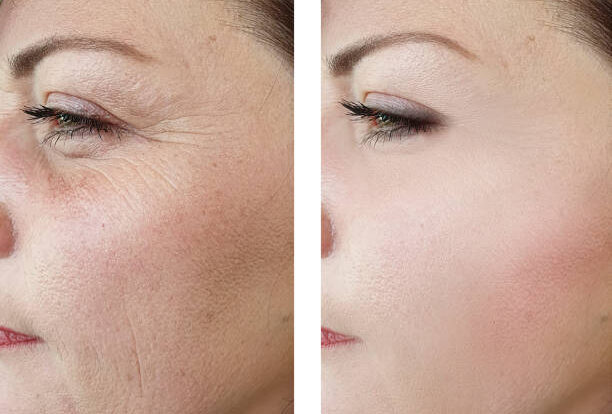
Dynamic wrinkles become more noticeable during facial movement. Static wrinkles remain visible when the face is relaxed. Botox generally works best on the muscular component of dynamic wrinkles, while deeper static lines may need a broader skin-care or aesthetic treatment plan.
3. Your Medical History
Tell your provider about relevant medical conditions, allergies, previous injectable treatments, medications, and supplements. Certain neuromuscular conditions, infection at the intended injection site, and some medications can affect treatment suitability or risk.
Pregnancy and breastfeeding also require discussion with your clinician because cosmetic botulinum toxin treatment is generally avoided when safety data are insufficient.
4. Your Expectations
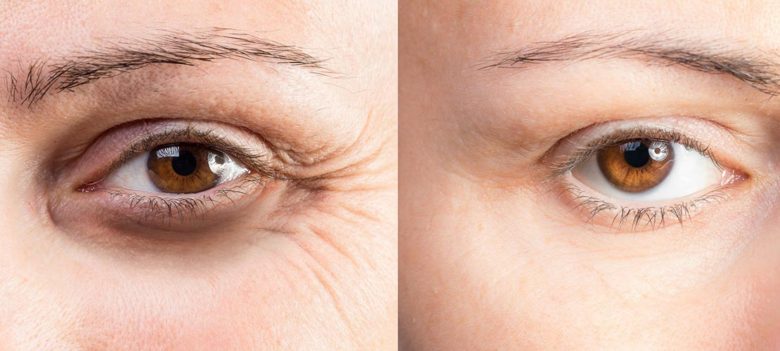
Botox can soften expression lines, but it does not stop natural aging, replace lost facial volume, or correct every type of wrinkle. Discuss whether your goal is subtle softening, a more noticeable reduction in movement, or improvement in a particular expression line.
5. Potential Side Effects
Most patients experience little downtime, but side effects can occur. These may include temporary redness, swelling, bruising, tenderness, headache, or localized discomfort. Eyelid or eyebrow drooping, asymmetry, and unwanted changes in facial expression are less common but important risks.
Rarely, botulinum toxin effects can spread beyond the injection site and cause serious symptoms, including difficulty swallowing, speaking, or breathing. Seek immediate medical attention if these symptoms occur.
Treatment should be administered by an appropriately qualified and licensed medical professional using an authorized product and appropriate injection technique.
What Is the Botox Treatment Process at Collective Aesthetics?
At Collective Aesthetics in Miramar, FL, treatment planning should begin with your individual concerns rather than a predetermined number of units.
Step 1: Discuss Your Goals
Explain which lines bother you, when they appear, and whether you prefer to maintain visible facial movement. Your provider can help clarify realistic expectations.
Step 2: Assess Facial Movement
Your provider evaluates the forehead and glabellar area at rest and during facial expressions. This helps identify the muscles contributing to your wrinkles and any factors that could influence treatment suitability.
Step 3: Develop a Personalized Plan
The recommended plan may involve forehead treatment, frown line treatment, or both. Your provider should explain the intended benefits, possible risks, expected duration, and any alternatives before obtaining informed consent.
Step 4: Receive Treatment
The injections are generally completed during a relatively short appointment. Most patients can return to normal daily activities shortly afterward, although temporary injection-site effects may occur.
Follow your provider’s aftercare instructions, including any guidance about exercise, rubbing the treated areas, and when to contact the clinic with concerns.
Step 5: Review Your Results
Results develop gradually. A follow-up assessment, when appropriate, can help evaluate the outcome and determine whether any additional care is needed. Avoid arranging repeat treatment too soon; your provider should guide timing based on the product used and your response.
How Long Do Results Last, and What Does Maintenance Involve?
Botox results commonly last around three to four months, although duration varies by individual, treatment area, dosage, and muscle activity. Some patients notice changes earlier or later.
As muscle activity gradually returns, expression lines may become more noticeable again. Maintenance treatments can be discussed according to your results and clinical needs, but injections should not be repeated more frequently than recommended for the specific product.
The aim is consistent, natural-looking improvement rather than eliminating every facial movement. Your provider can help establish a reasonable treatment schedule without promising a particular duration or outcome.
Book a Personalized Botox Consultation in Miramar, FL
Choosing between Botox for Forehead Lines vs Frown Lines is easier when you understand which muscles contribute to your wrinkles and how treatment may affect your natural facial expressions.
At Collective Aesthetics, patients can discuss their aesthetic concerns and explore treatment options based on their facial anatomy, goals, and medical suitability. A personalized consultation can help determine whether forehead Botox, frown line Botox, or a combined approach is appropriate.
Patients may travel from:
If you are considering Botox for Forehead Lines vs Frown Lines, contact Collective Aesthetics to discuss your goals and arrange a consultation. The right treatment plan starts with understanding your face, your preferences, and the results you hope to achieve.
Related topic
- What is Botox? What You Need to Know Before Your First Injection
- Botox Procedure: What to Expect
- How Botox Works?
- Is Botox Bad for You? Debunking Myths and Exploring Facts
- Benefits of Botox treatments
- Botox for Beginners: What to Expect During Your First Botox Appointment
- Botox for Wrinkles: What Areas Benefit Most?
- Botox for Men: Why More Men are Choosing Cosmetic Injections
- How Botox Can Help with Migraines and TMJ
- potential side effects of Botox treatments
- Unlocking the Common Uses of Botox at Collective Aesthetics
- How Long Do Botox Last? A Guide to Treatment Longevity
- 5 Common Myths About Botox Treatments
- Common Uses of Botox
- Can Botox Cause Cancer? Myths vs. Facts for a Safer Choice
- What to Expect During and After Botox Treatment
- Can Botox Cause Headaches? Discover The Truth
- Can Botox Cause Hair Loss? Understanding the Effects on Hair
- Will Botox Help with Under Eye Bags? Expert Answers & Solutions
- Botox for Jowls – Cost, Placement, Side Effects & Benefits
- Botox for Crow’s Feet: Everything You Need to Know
- Botox for Jaw Clenching: Relief, Benefits & Expert Insights
- Is Botox Toxic? Exploring the Safety of Botox
- Botox vs. Dysport: Understanding Their Benefits and Differences