Discover the best treatments for thinning hair at Collective Aesthetics in Miramar, FL, serving Pembroke Pines, Dania, Hialeah and nearby areas.
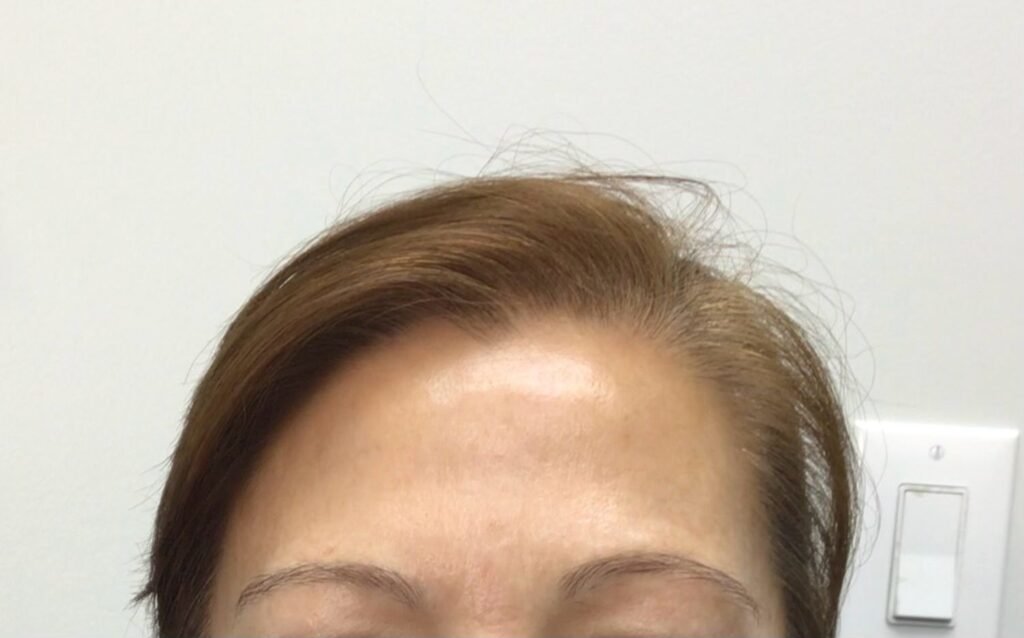
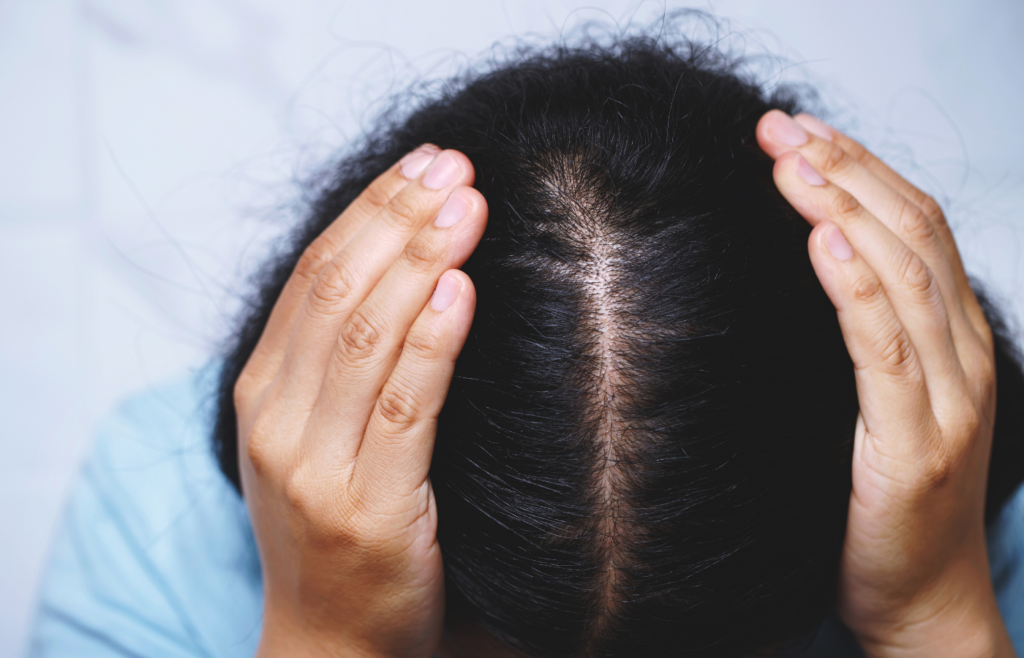
Hair thinning can happen gradually, making it easy to overlook at first. You may notice more hair in your brush, a widening part, increased scalp visibility, or a hairline that looks less dense than it once did. While some shedding is normal, persistent thinning can be a sign that your hair follicles need additional support.
The good news is that modern hair restoration offers several options. The right approach depends on the cause, pattern, severity, and duration of your hair loss. For some people, improving scalp health and supporting existing follicles may be enough. Others may benefit from a medical evaluation and a more targeted hair restoration treatment.
At Collective Aesthetics in Miramar, FL, hair restoration is approached with personalized care. The clinic offers PRP hair restoration and other non-surgical approaches designed around individual hair and scalp concerns.
What Causes Hair Thinning?
Before choosing a treatment, it is important to understand why your hair may be becoming thinner. Hair loss is not caused by one single factor, and different causes may require different approaches.
Common contributors include:
- Genetics and hereditary hair loss
- Hormonal changes
- Aging
- Physical or emotional stress
- Nutritional deficiencies
- Certain medications
- Medical conditions
- Postpartum changes
- Scalp inflammation or other scalp concerns
- Repeated chemical treatments or excessive styling
Pattern hair loss is particularly common in both men and women. It can gradually reduce hair density while leaving follicles capable of producing hair for some time.
A professional consultation can help determine whether your thinning appears consistent with pattern hair loss or whether another factor may need to be investigated.
What Are the Best Treatments for Thinning Hair?
There is no single treatment that is best for everyone. The most appropriate option depends on the underlying cause and your individual goals.
1. PRP Hair Restoration
For people looking for a non-surgical approach, PRP therapy is one of the most commonly discussed options for hair restoration.
PRP stands for platelet-rich plasma. During treatment, a small amount of your blood is collected and processed to concentrate the platelets. The resulting PRP is then injected into areas of the scalp where thinning or reduced hair density is present.
Platelets contain growth factors involved in tissue repair and regeneration. PRP treatment is intended to support the environment around hair follicles and encourage healthier hair growth.
Collective Aesthetics offers PRP hair restoration in Miramar and describes the treatment as a personalized option for people experiencing thinning hair or hair loss.
Potential advantages include:
- Non-surgical treatment
- Uses components from your own blood
- Targeted scalp injections
- Minimal downtime for many patients
- Can be incorporated into a personalized hair restoration plan
Results are not immediate. Hair growth is a gradual process, and individual outcomes can vary. Some patients may begin noticing changes after several treatment sessions and over the following months.
2. Scalp Microneedling With Growth Factors
Scalp microneedling is another approach sometimes incorporated into hair restoration plans.
The procedure uses very small needles to create controlled micro-injuries in the scalp. This process may support the body’s natural healing response and can also help improve the delivery of topical products or growth-factor preparations.
Collective Aesthetics discusses microneedling with growth serums as one of its hair restoration approaches, particularly for supporting scalp health and treatment absorption.
Depending on your needs, microneedling may be considered alone or alongside another hair restoration treatment.
3. Low-Level Laser Therapy
Low-level laser therapy, sometimes called LLLT, uses low-intensity light to stimulate activity within the scalp and hair follicles.
It is a non-invasive option and generally requires consistent treatment over time. It may be considered for people who prefer a treatment that does not involve injections.
The key advantage is convenience and minimal invasiveness, but patience is important. Hair growth cycles are slow, so results generally require consistent treatment and ongoing evaluation.
4. Medications and Medical Management
Certain types of hair loss may respond to prescription or over-the-counter medications. Examples can include topical minoxidil and, for appropriate patients, certain prescription medications.
However, medications are not suitable for everyone. Factors such as age, sex, medical history, pregnancy potential, current medications, and the underlying cause of hair loss need to be considered.
If your hair is thinning unexpectedly or rapidly, identifying the cause should take priority over simply selecting a cosmetic treatment.
5. Hair Transplantation
Hair transplantation is a surgical option that may be appropriate for people with more advanced or stable hair loss.
Common techniques include follicular unit extraction (FUE) and follicular unit transplantation (FUT). In general, healthy follicles are taken from a donor area and placed into areas with reduced hair density.
Unlike non-surgical treatments, transplantation requires a surgical procedure and has different recovery considerations. It may also be more appropriate when there is sufficient donor hair and a clearly defined pattern of permanent hair loss.
Collective Aesthetics’ educational resources discuss FUE and FUT as hair restoration procedures, while its current service offering emphasizes personalized, non-surgical hair restoration solutions.
How Do You Choose the Right Hair Restoration Treatment?
Choosing among the best treatments for thinning hair starts with understanding what is actually causing your hair loss.
During an evaluation, a provider may consider:
- Your age and general health
- How long you have experienced hair thinning
- The location and pattern of hair loss
- Family history of hair loss
- Scalp condition
- Recent stress, illness, or hormonal changes
- Current medications and supplements
- Previous hair restoration treatments
- Your expectations and aesthetic goals
This information can help determine whether a non-surgical treatment such as PRP is a reasonable option or whether additional medical evaluation may be appropriate.
Why PRP May Be a Good Option for Early Hair Thinning
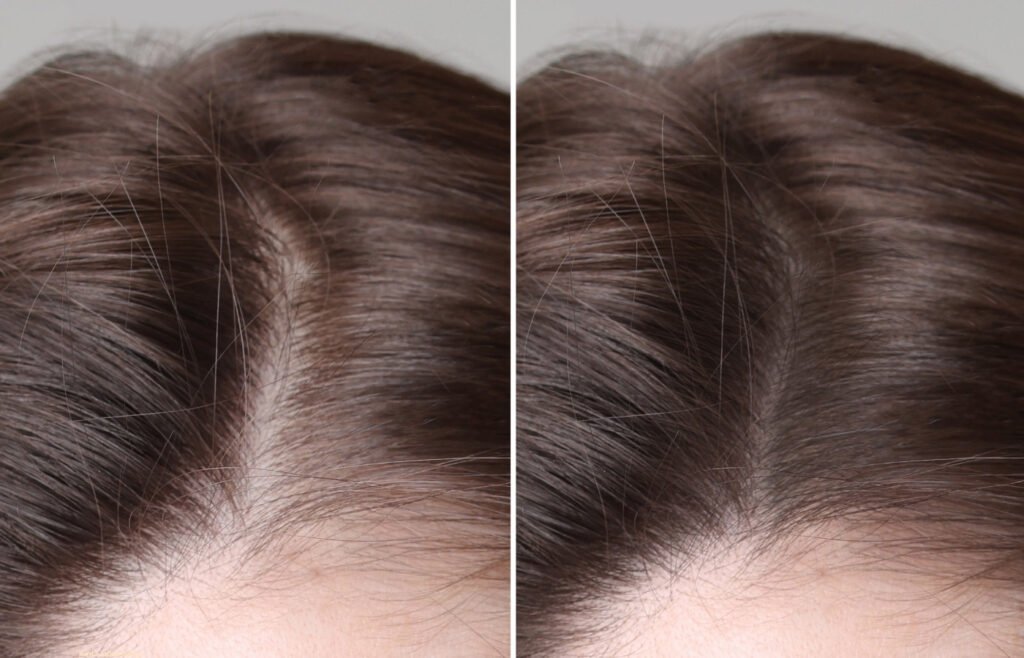
PRP is particularly appealing to people who want to address thinning before it becomes more advanced. It does not involve removing or transplanting hair follicles.
Instead, treatment focuses on the scalp and existing follicles.
A typical PRP hair restoration session involves:
- Consultation: Your provider evaluates your hair and scalp and discusses your concerns.
- Blood collection: A small blood sample is drawn.
- Processing: The sample is processed to concentrate platelet-rich plasma.
- Targeted treatment: PRP is injected into selected areas of the scalp.
- Aftercare: You receive instructions for caring for your scalp following treatment.
- Follow-up: Your progress can be assessed and future sessions planned according to your response.
Collective Aesthetics describes this three-stage PRP process as blood collection, centrifugation, and targeted scalp injection.
Who May Be a Candidate for Hair Restoration?
The best treatments for thinning hair are generally selected after an individual assessment rather than simply based on age or gender.
You may be a candidate for a non-surgical hair restoration approach if you:
- Have noticed gradual hair thinning
- Have a receding hairline or reduced hair density
- Are experiencing early-stage pattern hair loss
- Want a minimally invasive treatment option
- Have realistic expectations about gradual results
- Are interested in supporting existing hair follicles
Collective Aesthetics notes that treatment suitability depends on factors including hair loss pattern, medical history, and individual goals.
A consultation is especially important if hair loss is sudden, patchy, painful, associated with scalp changes, or accompanied by other unexplained symptoms.
What Results Can You Expect?
Hair restoration does not produce overnight changes. Hair follicles follow a natural growth cycle, so visible improvement generally takes time.
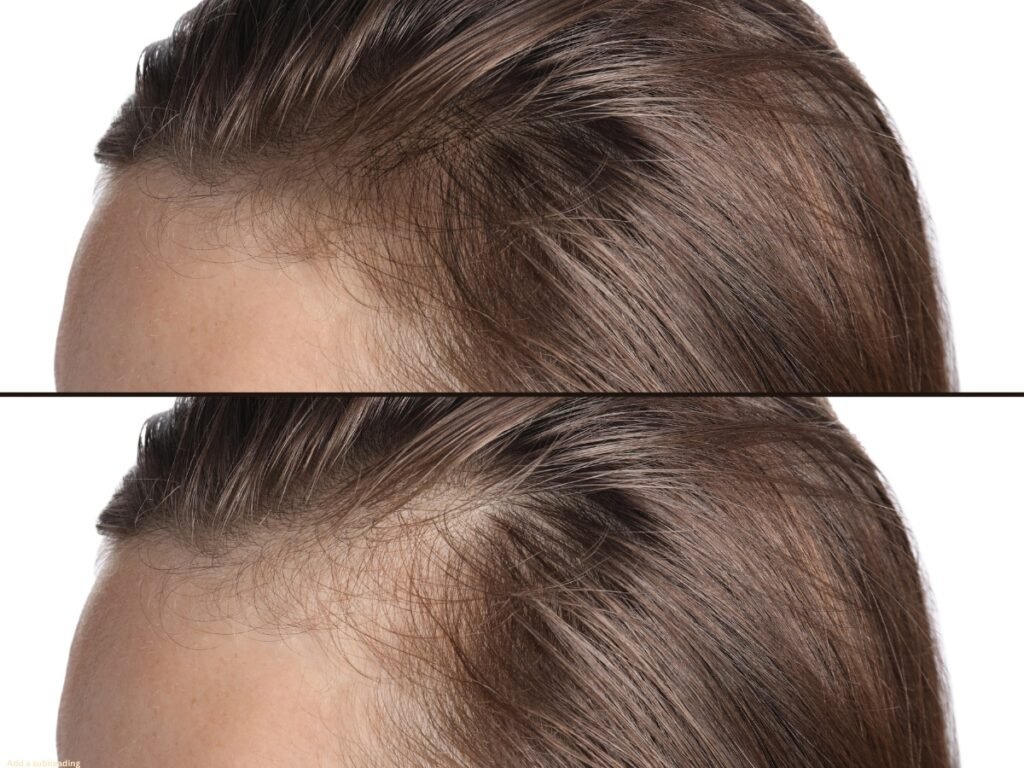
With PRP, some patients may notice changes in hair quality, density, or shedding over a period of several months. Results vary considerably from person to person and may depend on the cause and extent of hair loss.
The goal is not simply to make hair look temporarily fuller. A well-designed treatment plan aims to support healthier-looking hair and improve overall density where appropriate.
Maintaining realistic expectations is an important part of the consultation process.
How Can You Support Hair Health Between Treatments?
Professional treatment is only one part of a comprehensive approach to hair health.
Helpful habits may include:
- Eating a balanced diet with adequate protein and essential nutrients
- Avoiding unnecessarily tight hairstyles
- Limiting excessive heat styling
- Treating the scalp gently
- Following recommended treatment schedules
- Managing ongoing stress where possible
- Discussing persistent shedding with a qualified healthcare professional
- Following individualized aftercare instructions
If nutritional deficiencies, hormonal issues, or another medical condition are contributing to hair loss, addressing the underlying issue may be just as important as the cosmetic treatment itself.
Why Choose Collective Aesthetics for Hair Restoration in Miramar?
At Collective Aesthetics, hair restoration is part of a broader medical aesthetics and wellness approach. The clinic’s hair restoration services focus on personalized treatment planning rather than assuming that the same solution works for every client.
The clinic is located at 6229 Miramar Pkwy Ste 7, Miramar, FL 33023, making it a convenient option for clients searching for hair restoration near Miramar and surrounding South Florida communities.
Clients from Pembroke Pines, Dania, Hialeah, Miami Lakes, Miami Gardens, Cooper City, and Hallandale can also consider Collective Aesthetics when looking for personalized hair restoration care near them.
Start With a Personalized Hair Restoration Consultation
If you’re researching the best treatments for thinning hair, the most useful first step is determining what is contributing to your hair loss and what options are appropriate for you.
At Collective Aesthetics, PRP hair restoration is available for clients interested in a non-surgical approach to supporting hair growth and density. Your provider can discuss your hair loss pattern, goals, treatment options, expected timeline, and whether PRP is appropriate for your situation.
Rather than waiting until thinning becomes more noticeable, consider scheduling a consultation at Collective Aesthetics in Miramar, FL to discuss your concerns and explore a treatment plan designed around your individual needs.
Related topic for Hair Restoration Services
- The Ultimate Guide to Hair Restoration: Everything You Need to Know
- Top 5 Hair Restoration Treatments for Thinning Hair
- How to Choose the Right Hair Restoration Service for You
- Hair Transplant vs. Non-Surgical Hair Restoration: Which is Better?
- The Science Behind Hair Restoration: How Does It Actually Work?
- Hair Restoration Myths Debunked: What You Need to Know
- What to Expect Before, During, and After a Hair Restoration Procedure
- Laser Therapy for Hair Restoration: Is It Really Effective?
- How Long Does Hair Restoration Take to Show Results?
- The Cost of Hair Restoration: What Are Your Options?
- Natural vs. Surgical Hair Restoration: Which Option is Right for You?
- How Hair Restoration Can Boost Your Confidence and Self-Esteem
- The Best Hair Restoration Services for Men: A Complete Guide
- Women’s Guide to Hair Restoration: Solutions for Thinning and Balding
- How Hair Restoration Services Are Transforming the Way We Treat Hair LossAmerican Academy of Dermatology – Hair Loss
- Cleveland Clinic – Platelet-Rich Plasma (PRP)
- Mayo Clinic – Hair Loss
- National Library of Medicine – Platelet-Rich Plasma for Hair Loss
- American Society of Plastic Surgeons – Hair Loss Treatment