What Foods Should I Avoid on GLP-1 is one of the most common questions patients ask when beginning a medically supervised weight loss program. GLP-1 medications have transformed the weight loss landscape by helping individuals reduce appetite, improve portion control, and support sustainable weight management. However, the foods you choose can significantly impact both your comfort and your results while taking these medications.
At Collective Aesthetics, we help patients throughout Miramar, FL, and surrounding communities maximize the benefits of GLP-1 therapy through personalized guidance, nutrition education, and comprehensive weight loss support. Understanding which foods to limit or avoid can help reduce unwanted side effects while improving your overall experience.
Understanding How GLP-1 Medications Work
Before discussing what foods should I avoid on GLP-1, it’s important to understand how these medications function.
GLP-1 receptor agonists work by:
- Slowing stomach emptying
- Reducing appetite
- Increasing feelings of fullness
- Helping regulate blood sugar levels
- Supporting calorie reduction
Because food remains in the stomach longer, certain foods may cause digestive discomfort, nausea, bloating, or other gastrointestinal symptoms. Making smart dietary choices can help you feel better while supporting your weight loss goals.
Common GLP-1 Medications
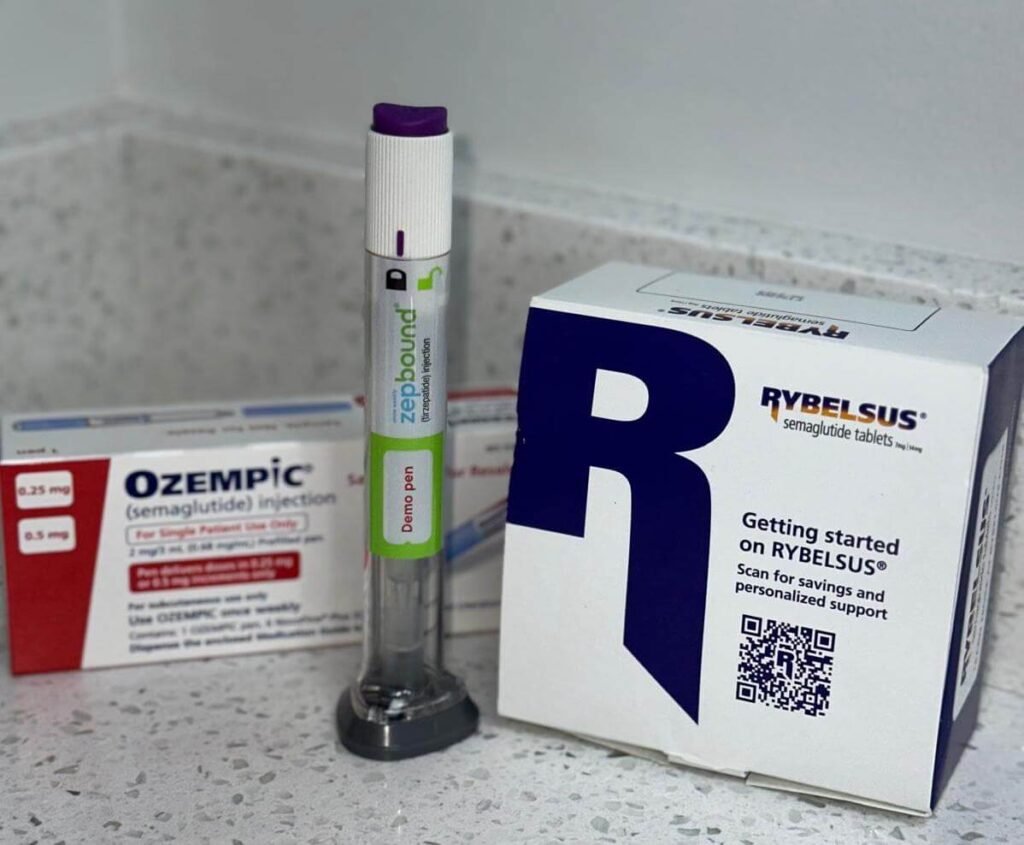
Patients may be prescribed GLP-1 medications such as:
- Semaglutide
- Tirzepatide
- Wegovy®
- Ozempic®
- Zepbound®
- Mounjaro®
Although each medication may affect individuals differently, many dietary recommendations remain consistent across treatments.
Ready to Maximize Your GLP-1 Results?
Schedule Your Weight Loss Consultation at Collective Aesthetics Today

High-Fat Fried Foods to Limit
When asking what foods should I avoid on GLP-1, fried foods are often at the top of the list.
Foods high in unhealthy fats take longer to digest and can worsen common side effects associated with GLP-1 therapy.
Examples include:
- French fries
- Fried chicken
- Onion rings
- Fried seafood
- Fast food meals
These foods may increase:
- Nausea
- Stomach discomfort
- Acid reflux
- Bloating
- Digestive sluggishness
Choosing grilled, baked, or roasted alternatives is typically a better option for patients seeking optimal results.
Sugary Foods and Desserts
Excess sugar can interfere with healthy weight loss and may contribute to blood sugar fluctuations.
Patients frequently ask what foods should I avoid on GLP-1 when trying to improve treatment outcomes. Limiting sugary foods is often one of the most effective dietary changes.
Foods to reduce include:
- Candy
- Cookies
- Cakes
- Pastries
- Sweetened cereals
- Ice cream
- Sugary coffee beverages
Replacing processed sweets with fruit, Greek yogurt, or protein-rich snacks can help satisfy cravings while supporting weight management goals.
Highly Processed Foods
Highly processed foods often contain excessive calories, unhealthy fats, sodium, and refined carbohydrates.
Common examples include:
- Packaged snack foods
- Chips
- Processed baked goods
- Frozen convenience meals
- Fast-food products
Many patients discover that reducing processed foods helps improve digestion and enhances the effectiveness of their GLP-1 treatment plan.
When considering what foods should I avoid on GLP-1, prioritizing whole, nutrient-dense foods is one of the most beneficial strategies.
Carbonated Beverages and Sugary Drinks
GLP-1 medications can already slow digestion, and carbonated beverages may increase feelings of fullness, bloating, and discomfort.
Drinks to limit include:
- Regular soda
- Sweet tea
- Energy drinks
- Sugary sports drinks
- Sweetened fruit juices
Water remains the best hydration choice for most patients.
Other excellent options include:
Proper hydration supports digestion and may help minimize certain side effects associated with GLP-1 therapy.
Large Portion Sizes
One aspect often overlooked when discussing what foods should I avoid on GLP-1 is portion size.
GLP-1 medications help patients feel full more quickly. Eating large meals can overwhelm the digestive system and increase symptoms such as:
- Nausea
- Stomach pain
- Fullness
- Indigestion
Instead of eating three large meals, many patients benefit from:
- Smaller portions
- Balanced meals
- Slow eating habits
- Mindful food choices
These adjustments can improve comfort while maximizing treatment success.
Foods That May Trigger Nausea
Nausea is among the most common side effects during the early stages of GLP-1 treatment.
Certain foods are more likely to aggravate symptoms.
Potential triggers include:
- Greasy foods
- Heavy cream sauces
- Spicy foods
- Excessively rich meals
- Highly processed snacks
If you’re wondering what foods should I avoid on GLP-1 due to nausea, keeping a food journal can help identify individual triggers.
Many patients find that bland, protein-rich foods are easier to tolerate during treatment adjustments.

The Importance of Protein While Taking GLP-1
While discussing foods to avoid, it’s equally important to understand which foods should become dietary priorities.
Protein plays a critical role in preserving lean muscle mass during weight loss.
Excellent protein sources include:
- Chicken breast
- Turkey
- Fish
- Eggs
- Greek yogurt
- Cottage cheese
- Lean beef
- Protein shakes
Benefits of adequate protein intake include:
- Improved satiety
- Muscle preservation
- Better metabolic health
- Reduced hunger
- Enhanced weight loss outcomes
At Collective Aesthetics, we emphasize balanced nutrition plans that complement GLP-1 therapy and support sustainable results.
Want a Personalized Nutrition Plan?
Book Your GLP-1 Consultation and Discover a Customized Weight Loss Strategy
Foods That Support Better GLP-1 Results
Patients often focus solely on restrictions, but success also depends on making healthier food choices.
The following foods typically support better treatment outcomes:
Vegetables
Non-starchy vegetables provide nutrients and fiber without excessive calories.
Examples include:
- Broccoli
- Spinach
- Cucumbers
- Bell peppers
- Zucchini
- Cauliflower
High-Fiber Foods
Fiber promotes digestive health and may help patients feel satisfied longer.
Healthy options include:
- Oats
- Beans
- Lentils
- Chia seeds
- Fresh fruits
Lean Proteins
Protein supports muscle retention and healthy body composition throughout the weight loss journey.
These dietary habits often help patients experience greater success while minimizing digestive discomfort.
Who Is a Good Candidate for GLP-1 Weight Loss Therapy?
Many adults struggling with weight management may benefit from GLP-1 medications under professional supervision.
Potential candidates may include individuals who:
- Have obesity or excess weight
- Experience difficulty losing weight through diet and exercise alone
- Have weight-related health concerns
- Want medically guided support
- Are committed to lifestyle changes
A comprehensive consultation helps determine whether GLP-1 therapy is appropriate based on health history, goals, and overall wellness needs.

Benefits of Following Proper Dietary Guidelines on GLP-1
Patients who follow recommended nutritional guidelines often experience better outcomes.
Key benefits may include:
- Reduced nausea
- Improved digestion
- Enhanced weight loss results
- Better energy levels
- Improved treatment adherence
- Greater long-term success
Understanding what foods should I avoid on GLP-1 allows patients to make informed choices that support both comfort and progress throughout their weight loss journey.
Why Patients Choose Collective Aesthetics for GLP-1 Weight Loss Programs
At Collective Aesthetics, we understand that successful weight loss involves more than medication alone. Our team provides personalized guidance, nutritional support, and ongoing monitoring to help patients achieve meaningful and lasting results.
We proudly serve patients throughout Miramar, FL, as well as nearby communities including Pembroke Pines, Dania, Hialeah, Miami Lakes, Miami Gardens, Cooper City, and Hallandale.
If you’ve been asking what foods should I avoid on GLP-1, our experienced providers can help you develop a personalized plan that supports your goals, minimizes side effects, and maximizes the benefits of your treatment program.
Related Topics
- Top Foods That Increase Hyaluronic Acid Naturally
- Weight Loss Treatment for Slow Metabolism That Works
- Best Weight Loss Program for Menopause: Safe & Effective
- Why Am I Not Losing Weight After 40? Reasons & Solutions
- What Are Weight Loss Shots? Benefits & How They Work
- Semaglutide vs Tirzepatide for Weight Loss
- How Much Weight Can You Lose with Semaglutide?
- GLP-1 Weight Loss Program Guide
- Weight Loss Injections Miramar FL
- Best Weight Loss Clinic in Miramar