Meta Description: Best Chemical Peel for Acne Scars in Miramar, FL. Explore VI Peel benefits for acne marks and texture near Pembroke Pines, Dania & Miami areas.
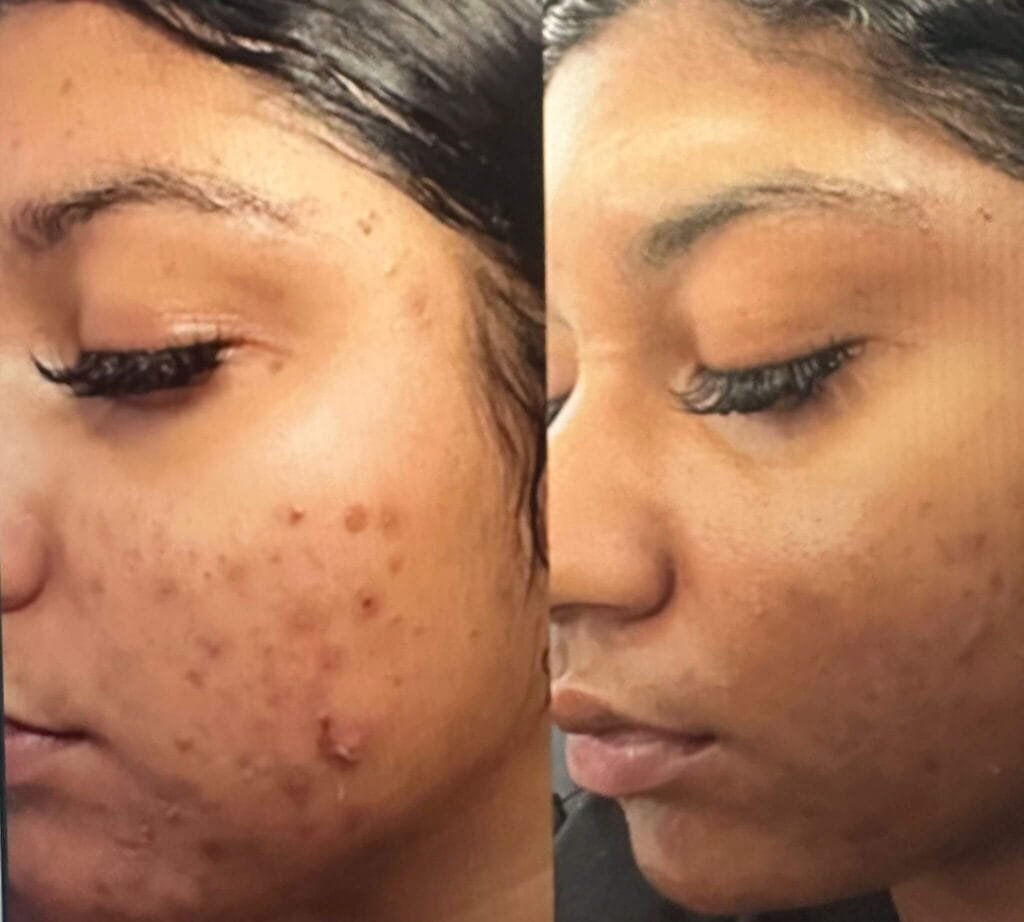
If acne has cleared but left behind dark marks, uneven texture, or visible scarring, you may be wondering which treatment can help your skin look smoother and more even. Chemical peels are one professional option used to improve acne-related discoloration and some types of acne scarring. The right peel depends on your skin type, the kind of marks or scars you have, and your treatment goals.
At Collective Aesthetics in Miramar, FL, we offer medical-grade chemical peel treatments, including the VI Peel, for clients looking to improve acne-prone skin, pigmentation, texture, and the visible effects left behind by breakouts. The clinic is conveniently located for clients from Pembroke Pines, Dania, Hialeah, Miami Lakes, Miami Gardens, Cooper City, and Hallandale.
What Is the Best Chemical Peel for Acne Scars?
There is no single chemical peel that is automatically the best choice for every person with acne scars. Acne scarring can look very different from one person to another. Some people have flat dark or red marks after acne, while others have depressed scars that change the texture of the skin.
Chemical peels work by applying a carefully selected chemical solution to the skin to encourage controlled exfoliation. Depending on the formulation and depth, a peel can remove damaged surface cells and promote fresher-looking skin.
The American Academy of Dermatology notes that chemical peels can be part of an acne-scar treatment plan, while the American Society for Dermatologic Surgery explains that chemical peels can improve the appearance of acne scars by removing the outer layer of older skin.
For clients seeking a medical-grade option at Collective Aesthetics, the VI Peel may be considered based on an individual skin assessment.
How Chemical Peels Help Acne-Prone and Scarred Skin
Acne can leave more than one type of visible change. After a breakout heals, you may notice:
- Dark post-acne marks
- Uneven pigmentation
- Rough skin texture
- Enlarged-looking pores
- Dullness
- Mild surface scarring
- Uneven complexion
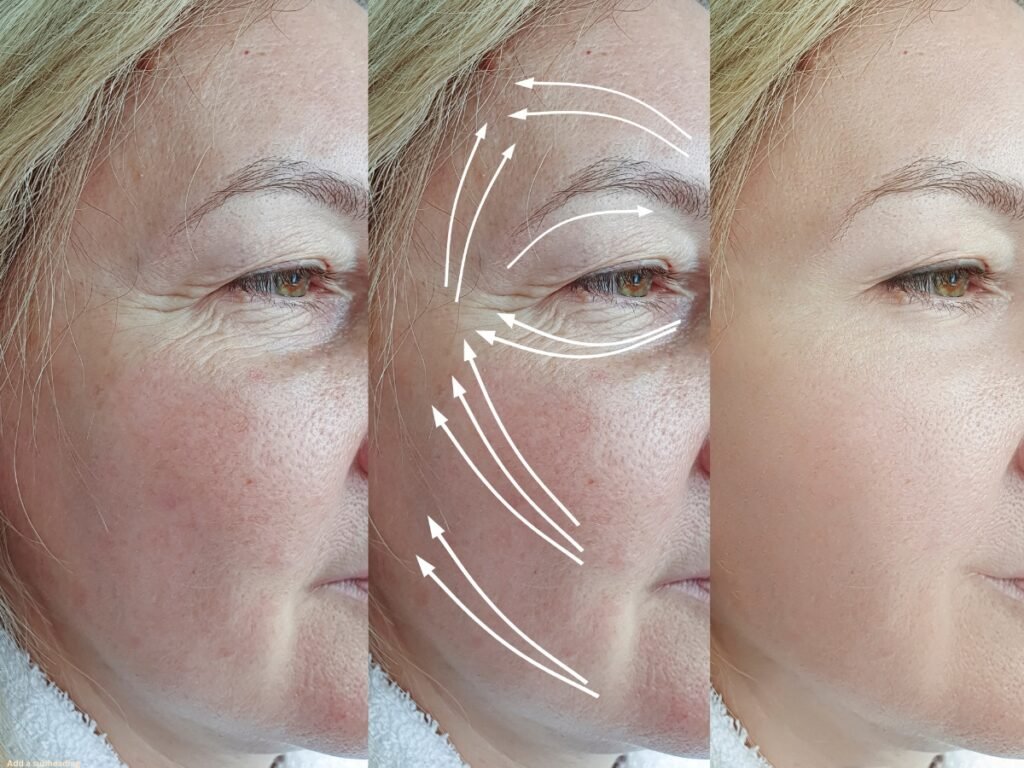
A professional chemical peel can help exfoliate damaged surface skin and encourage cellular turnover. Certain formulations can also address excess oil and clogged pores, which may be useful for people whose acne and post-acne concerns occur together.
It is important to distinguish acne scars from post-inflammatory hyperpigmentation (PIH). A flat brown, red, or dark spot left after acne is often pigmentation rather than a true scar. Depressed or raised areas that change the skin’s texture are more consistent with scarring.
That distinction matters because the most appropriate treatment can be different.
Why VI Peel May Be an Option for Acne Scars
At Collective Aesthetics, the VI Peel is offered as a medical-grade chemical peel designed to address several common skin concerns. The clinic describes the treatment as using a combination that includes TCA, retinoic acid, salicylic acid, phenol, and vitamin C.
This combination makes the treatment particularly relevant for clients concerned with acne, pigmentation, uneven texture, and post-acne marks.
Potential benefits include:
- Improving the appearance of uneven skin tone
- Helping reduce the appearance of post-acne discoloration
- Smoothing rough surface texture
- Helping address clogged pores and acne-prone skin
- Supporting a brighter-looking complexion
- Improving the overall appearance of mild surface imperfections
- Providing professional exfoliation that is stronger and more controlled than typical at-home products
Collective Aesthetics specifically lists acne scars among the concerns that its VI Peel treatments can address.
However, chemical peels should not be viewed as a universal solution for every type of acne scar.
Which Types of Acne Scars Can Chemical Peels Help?
Understanding the type of acne scarring you have is one of the most important steps before treatment.
Post-Acne Dark Marks
Flat dark spots are common after acne, particularly when inflammation triggers increased pigmentation. These marks are technically different from depressed acne scars.
A peel may help improve the appearance of discoloration by encouraging the removal of damaged surface cells and supporting more even-looking skin.
Mild Surface Texture
If your skin feels rough or looks uneven after acne, exfoliation may help create a smoother appearance. Chemical peels are particularly useful when the concern is concentrated closer to the skin’s surface.
Mild Depressed Scarring
Some chemical peels may improve the appearance of certain depressed acne scars, but deeper scars may require other procedures or a combination treatment approach.
The American Academy of Dermatology explains that depressed acne scars can require treatments such as chemical peels, microneedling, laser treatments, fillers, or other procedures depending on the scar type and individual patient.
Deep Ice Pick or Boxcar Scars
Deep, narrow, or pronounced depressed scars generally cannot be completely corrected with a surface peel alone. A professional evaluation is important because treatments such as microneedling, laser resurfacing, subcision, or other procedures may be more appropriate depending on the scar.
This is why asking about the best chemical peel for acne scars should start with identifying what type of scarring you actually have.
VI Peel vs. Other Chemical Peels for Acne
Not all chemical peels are formulated in the same way. Different acids, concentrations, combinations, and treatment depths can produce different results.
Common professional peel ingredients include:
Salicylic Acid
Salicylic acid is oil-soluble and is commonly used in acne-focused skincare because it can penetrate into pores and help remove excess oil and dead skin cells.
Glycolic Acid
Glycolic acid is an alpha hydroxy acid that can exfoliate the skin’s surface and improve the appearance of uneven texture and pigmentation.
Lactic Acid
Lactic acid provides exfoliation and may be considered for clients who want a more gradual approach to improving skin tone and texture.
TCA
Trichloroacetic acid, or TCA, is used in different professional peel formulations and strengths. The appropriate concentration and application depend on the treatment objective and provider assessment.
VI Peel
The VI Peel combines several active ingredients rather than relying on one exfoliating acid. Collective Aesthetics offers the VI Peel as part of its medical-grade chemical peel services and positions it for concerns including acne, pigmentation, uneven texture, and acne scars.
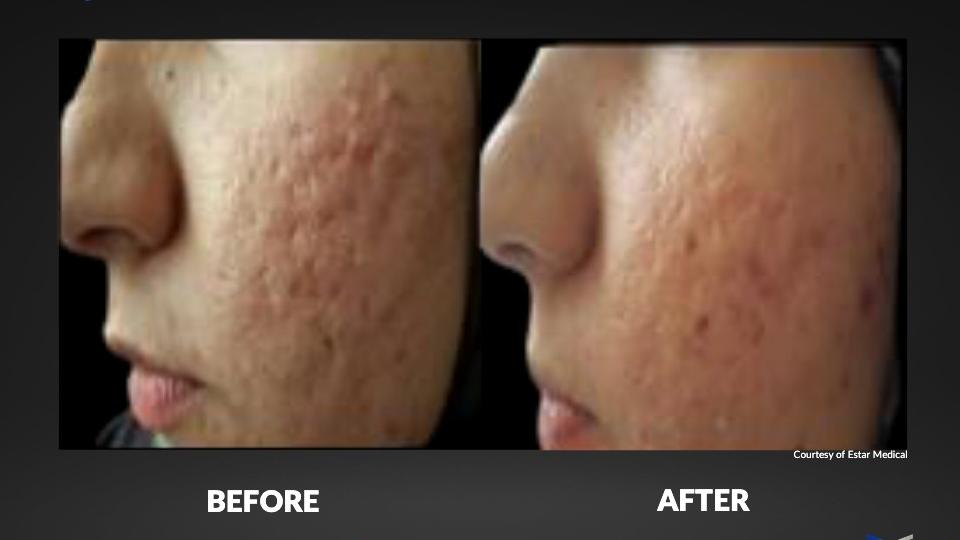
Who May Be a Good Candidate?
A consultation is the best way to determine whether a chemical peel is appropriate for your skin.
You may be a potential candidate if you are concerned about:
- Post-acne dark spots
- Mild acne scarring
- Uneven skin tone
- Rough or dull skin
- Acne-prone skin
- Enlarged-looking pores
- Mild textural irregularities
- Sun-related pigmentation
Your provider should also consider your current acne activity, skin sensitivity, previous treatments, medications, history of pigmentation changes, and overall treatment goals.
If you currently have significant or uncontrolled acne, treating the active acne may be an important first step. The American Academy of Dermatology notes that controlling acne can help reduce inflammation and prevent additional acne scars from forming.
What Happens During a Professional Chemical Peel?
The treatment process can vary depending on the specific peel and your skin’s needs, but a professional appointment generally begins with an assessment.
Step 1: Skin Assessment
Your provider evaluates your skin condition, pigmentation, acne history, sensitivity, and treatment goals.
Step 2: Skin Preparation
The skin is cleansed and prepared before the professional peel is applied.
Step 3: Peel Application
The selected formulation is carefully applied to the treatment area. You may experience warmth, tingling, or mild discomfort depending on the peel.
Step 4: Post-Treatment Instructions
You receive specific instructions for caring for your skin while it undergoes the expected renewal and peeling process.
Step 5: Skin Renewal
As the treated surface sheds, newer skin becomes visible. The amount of peeling and recovery time depends on the specific treatment and individual response.
Professional chemical peels should be performed under appropriate supervision. The American Academy of Dermatology advises against unsupervised at-home chemical peels because improperly used products can cause serious skin injuries.
What Should You Expect After a Chemical Peel?
After treatment, your skin may feel tight, warm, dry, or sensitive. Depending on the peel, visible peeling or flaking may develop during the following days.
Collective Aesthetics describes VI Peel clients as commonly experiencing peeling beginning around the early days following treatment, with skin continuing to improve as the peeling phase progresses.
During recovery:
- Avoid picking or pulling peeling skin
- Follow your provider’s skincare instructions
- Keep the skin appropriately moisturized
- Protect your skin from sun exposure
- Avoid adding irritating active ingredients unless instructed
- Allow your skin to recover before returning to aggressive exfoliation
Aftercare is not an optional part of the treatment. Proper skin care following acne-scar treatment can help support healing and protect the skin.
How Many Chemical Peels Will You Need?
The number of treatments varies.
Some clients may notice improvement after one professional peel, while others may benefit from a series of treatments. The appropriate schedule depends on the treatment formulation, severity of pigmentation or scarring, skin sensitivity, and desired results.
For acne scars specifically, the American Academy of Dermatology notes that mild and medium chemical peels may require multiple sessions.
Rather than choosing a fixed number of treatments in advance, a personalized plan allows your provider to evaluate how your skin responds.
Chemical Peel vs. Microneedling for Acne Scars
| Feature | Chemical Peel | Microneedling |
|---|---|---|
| How It Works | Uses a chemical solution to exfoliate damaged outer skin layers | Uses tiny needles to create controlled micro-injuries |
| Best For | Dark spots, uneven tone, surface texture, and mild acne scarring | Depressed acne scars, uneven texture, and collagen support |
| Main Benefit | Helps reveal smoother, brighter, more even-looking skin | Encourages collagen production and improves skin texture |
| Pigmentation | Particularly useful for post-acne discoloration | Can help improve overall skin texture and appearance |
| Downtime | Peeling, dryness, or redness may occur depending on peel strength | Redness and sensitivity are common temporarily |
| Treatment Plan | May require a series of treatments | Usually performed as a series for progressive improvement |
| Ideal Approach | Surface-level concerns and pigmentation | Textural and depressed-scar concerns |
Why Professional Treatment Matters for Acne Scars
Acne scars can be complicated because skin tone, scar depth, pigmentation, acne activity, and healing response all influence treatment planning.
A professional assessment can help determine:
- Whether you have acne scars or post-acne pigmentation
- Which treatment depth is appropriate
- Whether a chemical peel is suitable
- Whether microneedling may be more appropriate
- Whether combination treatment should be considered
- How much downtime to expect
- Which skincare products should be paused before treatment
- How to care for your skin afterward
This individualized approach is especially important for people with darker skin tones or a history of pigmentation problems. The American Academy of Dermatology notes that people with skin of color can safely undergo chemical peels when the provider has appropriate expertise, while incorrect treatment can increase the risk of permanent pigment changes.
When to Schedule a Chemical Peel Consultation
If acne is no longer your main concern but you are left with dark marks, uneven texture, or mild scarring, a professional consultation can help you understand which treatment is appropriate.
At Collective Aesthetics in Miramar, FL, the VI Peel and medical-grade chemical peel services are designed around individual skin concerns rather than a one-size-fits-all approach. The clinic serves clients from Miramar and nearby communities including Pembroke Pines, Dania, Hialeah, Miami Lakes, Miami Gardens, Cooper City, and Hallandale.
If you’re searching for the best chemical peel for acne scars, the first step is not simply choosing the strongest peel. It is determining what your skin actually needs and whether a professional chemical peel is the appropriate treatment for your particular type of acne-related discoloration or scarring.
Related Topics
- VI Peel for Skincare and Anti-Aging
- Safe VI Peel Treatments for All Skin Tones
- Real Patient Results from VI Peel Treatments in Miami
- Best Medical Spa for VI Peel in South Florida
- VI Peel and Microneedling Combination Benefits
- VI Peel vs Microdermabrasion – Which Gives Better Results
- Customized VI Peel Treatments at Collective Aesthetics
- How Long Do VI Peel Results Last | Free Consultation Available